 Rattan-Java
Journal
Rattan Mirror: Artisan Style & Sustainable Design Guide
October 2, 2026 · 5 min read
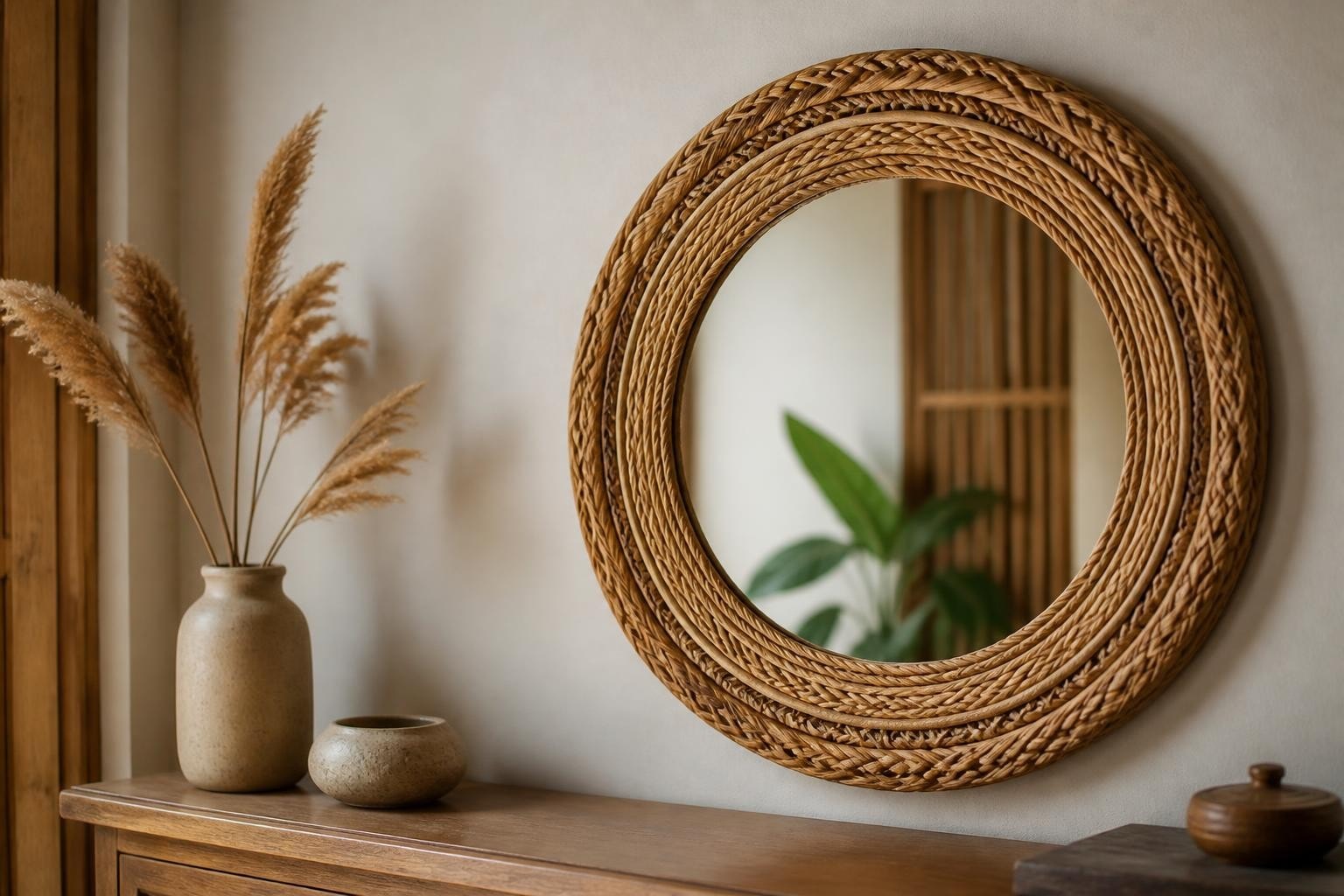
Rattan mirrors have emerged as a defining element in contemporary interior design, blending natural texture with functional beauty. These handwoven pieces transform ordinary wall space into focal points that celebrate artisanal craftsmanship and sustainable materials. As homeowners and designers increasingly seek alternatives to mass-produced décor, the rattan mirror stands out for its unique character, environmental credentials, and timeless appeal rooted in centuries of weaving tradition.
The Artisan Craft Behind Rattan Mirrors
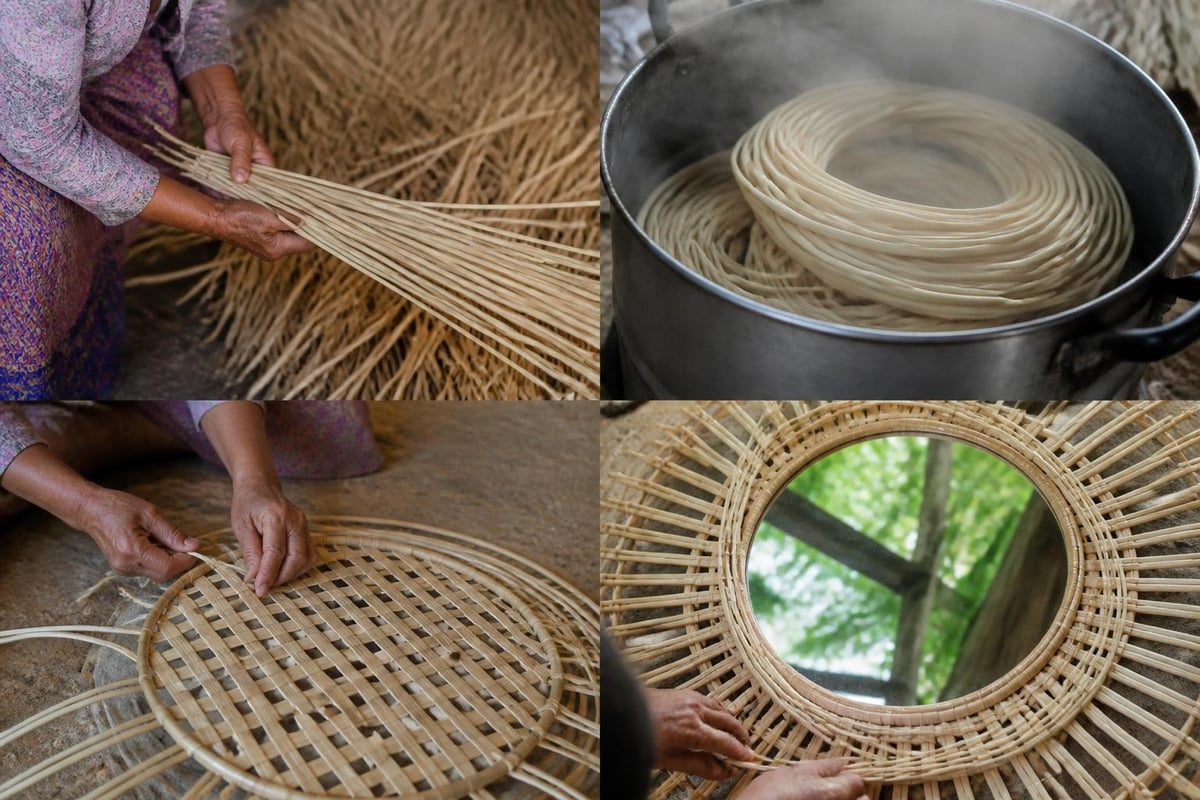
Every rattan mirror begins with skilled hands and a deep understanding of the material. Traditional rattan harvesting relies on sustainable practices that have sustained communities across Southeast Asia for generations. Javanese artisans select flexible cane strands, steam them to achieve pliability, and weave intricate patterns around glass or wooden backing.
The handweaving process demands precision and patience. Each strand must be positioned at exact intervals to create symmetrical designs, from sunburst patterns to geometric frames. This labor-intensive method ensures that no two pieces are identical, giving each mirror a signature quality that distinguishes it from factory-made alternatives.
Quality Indicators for Rattan Frames
When sourcing rattan mirrors, several characteristics signal superior craftsmanship:
- Consistent weave tension throughout the entire frame without loose or overly tight sections
- Smooth finish with no sharp edges or protruding fibers that could catch fabric or skin
- Secure backing where glass or mirror is firmly attached to the rattan structure
- Natural color uniformity in untreated pieces or even staining in finished products
- Durability testing confirming the frame can support the mirror weight long-term
The difference between exceptional and mediocre work becomes apparent in the details. High-quality frames feature tight corners where multiple strands converge, seamless transitions between weaving patterns, and structural integrity that withstands years of use.
Design Styles and Interior Applications
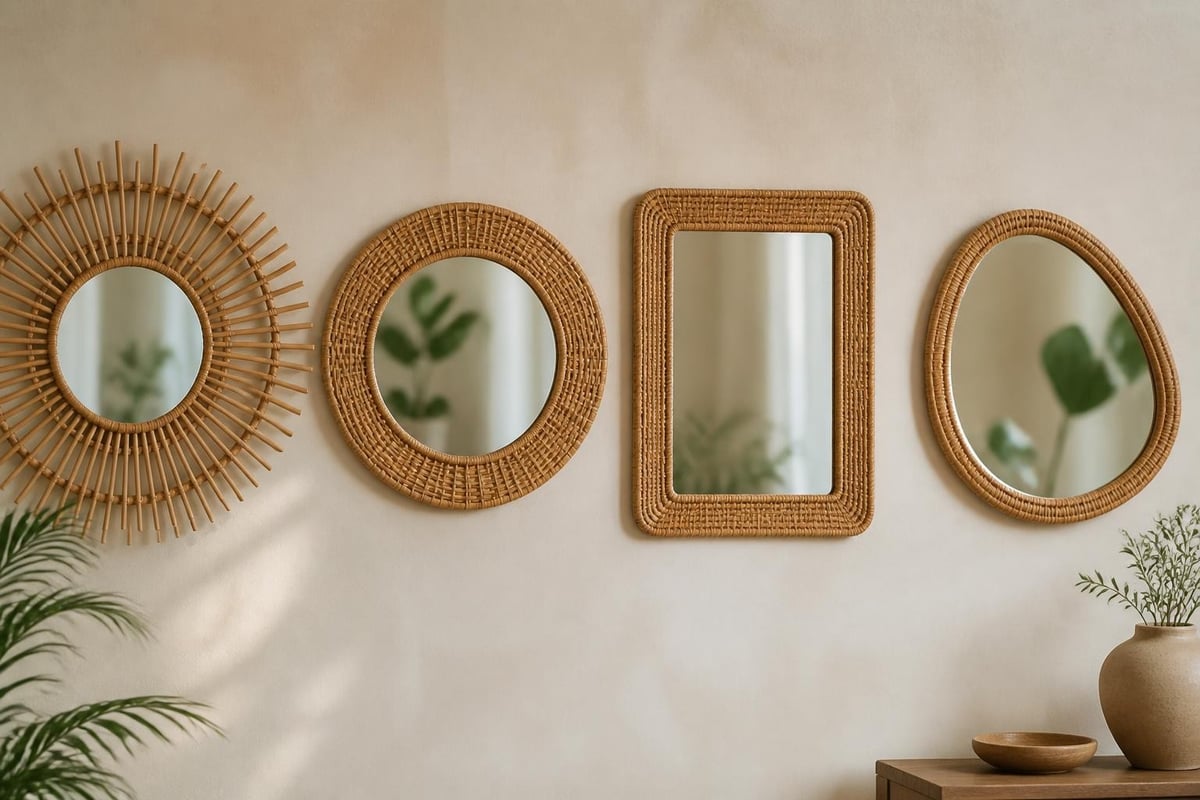
Rattan mirrors adapt to diverse aesthetic approaches while maintaining their organic essence. The versatility of woven cane allows for dramatic variation in scale, shape, and pattern complexity.
Popular Frame Configurations
| Style | Characteristics | Best Suited For |
|---|---|---|
| Sunburst | Radiating spokes from central mirror | Entryways, living rooms, bohemian spaces |
| Round halo | Continuous circular weave | Bathrooms, bedrooms, minimalist interiors |
| Rectangular | Clean-lined frames with corner details | Dining rooms, offices, modern settings |
| Asymmetric | Free-form organic shapes | Eclectic galleries, creative studios |
Interior designers are increasingly incorporating these natural elements as counterpoints to industrial materials like metal and concrete. The textural contrast creates visual interest while softening hard architectural lines.
A well-placed rattan mirror amplifies natural light while introducing warmth that glass and metal alone cannot achieve. Positioning these pieces opposite windows maximizes daylight reflection, making compact rooms feel more spacious and inviting.
Sustainable Sourcing and Environmental Impact
The environmental credentials of rattan make it an increasingly important choice for conscious consumers and commercial buyers. As a rapidly renewable resource, rattan grows much faster than hardwood trees, reaching maturity in five to seven years compared to decades for traditional timber.
Responsible manufacturers prioritize sustainable procurement standards that ensure harvesting does not deplete forest resources. Chain-of-custody certification verifies that rattan cane originates from managed forests where regeneration rates exceed harvest levels, protecting biodiversity and local ecosystems.
For retailers and designers seeking mirrors that align with green building standards, understanding eco-labeling requirements helps navigate compliance. The EU Ecolabel criteria, for instance, set thresholds for formaldehyde emissions and require responsible forest management documentation.
Many Indonesian rattan furniture exporters work directly with artisan communities, ensuring that traditional skills transfer between generations while providing fair wages. This direct-trade model supports rural economies and preserves cultural heritage tied to weaving practices.
Care and Maintenance Best Practices
Proper maintenance extends the lifespan of a rattan mirror while preserving its natural beauty. Unlike synthetic materials, woven plant fibers respond to environmental conditions and require attentive care.
Cleaning and Protection Guidelines
Regular dusting prevents buildup in the weave crevices. Use a soft-bristle brush or vacuum with upholstery attachment set to low suction. For deeper cleaning, lightly dampen a cloth with water and mild soap, wiping in the direction of the weave pattern.
The Canadian Conservation Institute recommends maintaining relative humidity between 45 and 55 percent to prevent brittleness or mold growth. Extreme fluctuations cause cane to expand and contract, potentially loosening the weave structure over time.
Key protection strategies include:
- Position mirrors away from direct sunlight to prevent fading and drying
- Avoid hanging in high-humidity bathrooms without proper ventilation
- Keep away from heating vents that create localized dry zones
- Apply furniture wax annually to nourish fibers and enhance luster
- Inspect backing attachments yearly and tighten if necessary
For wholesale rattan mirrors destined for retail or hospitality projects, providing care instructions ensures customer satisfaction and product longevity.
Sourcing Considerations for Commercial Buyers
Businesses purchasing rattan mirrors at volume face different considerations than individual consumers. Working with established sustainable rattan furniture manufacturers provides consistency in quality, lead times, and certification documentation.
Buyers should request samples before committing to large orders, evaluating weave quality, mirror clarity, and packaging adequacy for international shipping. Establishing relationships with handmade rattan furniture producers in Indonesia offers access to customization options that differentiate retail offerings or hospitality projects.
When sourcing decorative rattan mirror frames, transparency around production methods and material origins builds consumer trust. Rattan-Java's Mirror Frame collection showcases how traditional Javanese artisans create distinctive pieces that meet international quality standards while supporting local communities.
Communication protocols matter significantly when working across time zones and language barriers. Clear specifications regarding dimensions, finish preferences, and quality thresholds prevent costly misunderstandings. Requesting pre-shipment inspection photos or third-party quality checks adds another layer of assurance.
Price and Value Factors
| Factor | Impact on Cost | Considerations |
|---|---|---|
| Frame complexity | Higher for intricate patterns | Balance visual impact with budget |
| Cane quality grade | Premium grades cost more | Affects longevity and appearance |
| Mirror size | Larger requires more material and labor | Shipping costs increase with dimensions |
| Finish treatment | Natural finish most economical | Staining or lacquering adds steps |
| Order volume | Bulk discounts available | MOQ requirements vary by manufacturer |
Price variations reflect genuine differences in material selection, craftsmanship skill, and production scale. The lowest quotes often indicate compromises in quality that become apparent through premature wear or structural failure.
Rattan mirrors combine aesthetic appeal, sustainable materials, and artisanal heritage in ways that resonate with modern values. Whether you're a retailer building inventory, a designer specifying for projects, or a hospitality buyer creating memorable spaces, these handwoven pieces deliver distinctive character that mass production cannot replicate. Explore how Rattan-Java can bring authentic Javanese craftsmanship to your next project with mirrors and homeware made by skilled artisans using time-honored techniques.
Looking for handwoven rattan furniture?
Explore our collections or reach out for wholesale catalog and pricing details.
Continue Reading