 Rattan-Java
Journal
Cirebon Rattan Furniture Manufacturer Excellence Guide
September 29, 2026 · 5 min read
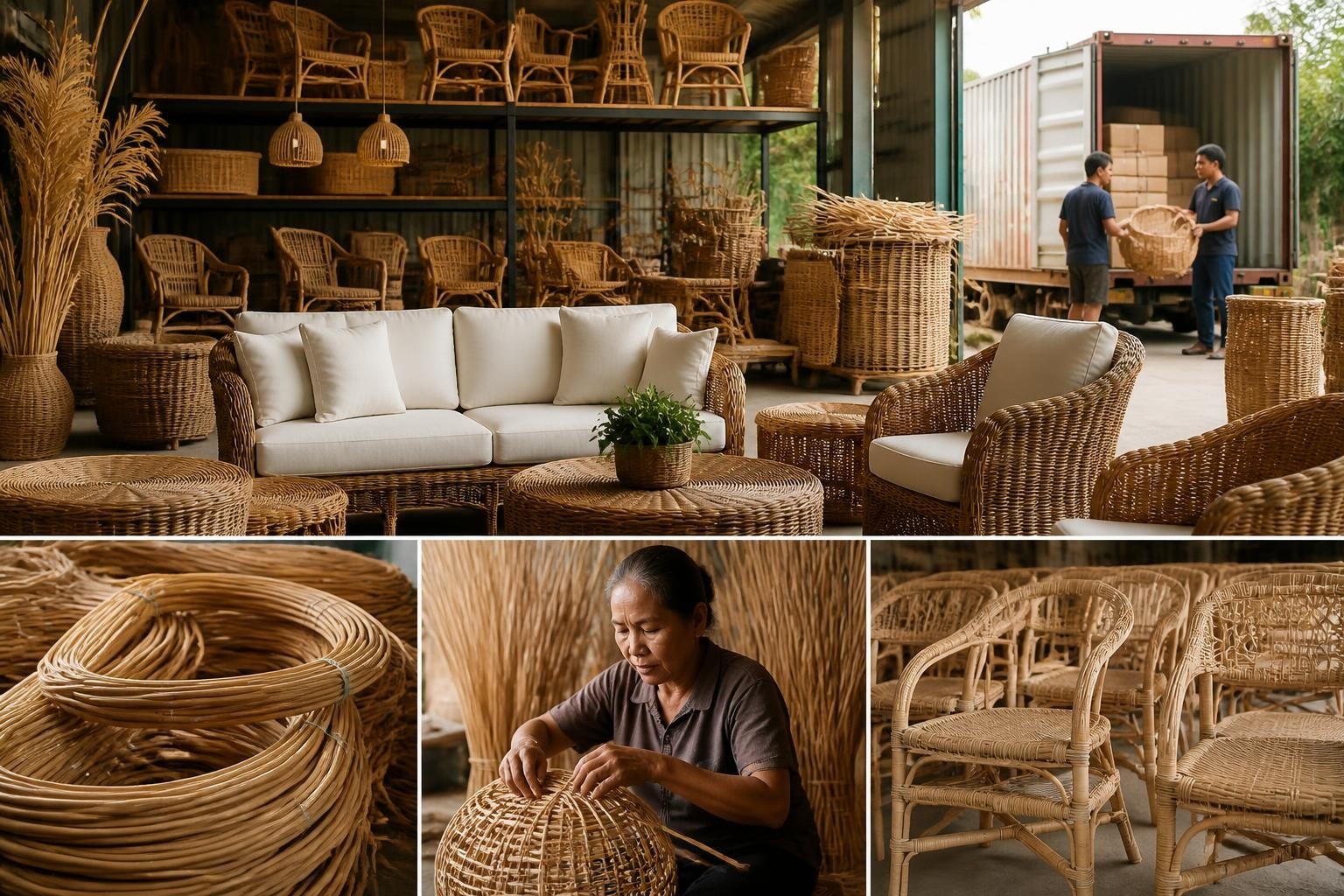
Cirebon has emerged as Indonesia's premier center for rattan furniture production, with a manufacturing heritage spanning multiple generations. Located in West Java, this region hosts hundreds of specialized workshops where skilled artisans transform raw rattan into furniture destined for international markets. Understanding what makes a cirebon rattan furniture manufacturer competitive requires examining the unique combination of traditional craftsmanship, modern quality systems, and strategic export capabilities that define this thriving industry cluster.
The Manufacturing Heritage of Cirebon's Rattan Industry
The rattan handicraft industry in Tegalwangi, Cirebon developed from small-scale cottage production into a sophisticated manufacturing network over several decades. Local artisans refined their weaving techniques through apprenticeship systems that preserved traditional knowledge while adapting to contemporary design demands.
This evolution created a concentrated expertise that distinguishes Cirebon manufacturers from competitors in other regions. The area's proximity to rattan sources and established supply chains provides cost advantages that strengthen market positioning.
Cluster Advantages and Infrastructure
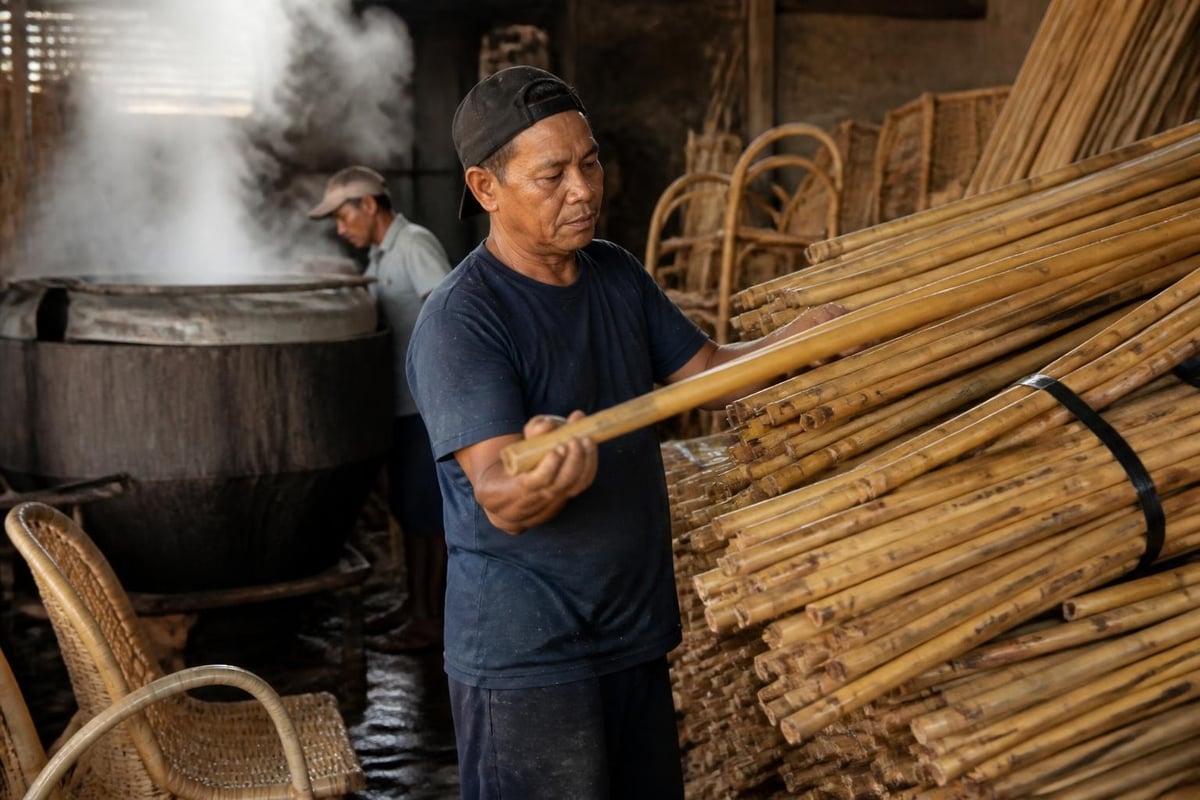
Research on Cirebon's rattan craftsmanship center infrastructure reveals how collaborative networks enhance individual manufacturer capabilities. Shared access to specialized equipment, finishing facilities, and design resources allows smaller producers to compete effectively.
Key infrastructure elements include:
- Centralized drying and treatment facilities
- Collaborative design studios
- Quality control laboratories
- Export documentation services
- Logistics coordination centers
The government has supported this development through export facilitation programs, including organized export convoys of Cirebon rattan products that help manufacturers access global markets efficiently.
Quality Standards and Certification Requirements
A professional cirebon rattan furniture manufacturer must navigate Indonesian national standards and international buyer specifications. The National Standardization Agency product catalogue includes SNI 7208:2024 for rattan classification and SNI furniture standards that govern product quality.
| Standard Type | Application | Market Impact |
|---|---|---|
| Material Classification | Raw rattan grading and selection | Ensures consistent input quality |
| Construction Standards | Joint strength, load capacity | Meets safety requirements |
| Finishing Specifications | Coating durability, color fastness | Protects long-term appearance |
| Dimensional Tolerances | Size consistency across batches | Enables container optimization |
Manufacturers invest in testing equipment and quality management systems to maintain compliance. This commitment to standards differentiates exporters who can serve demanding markets from those limited to domestic trade.
Sustainable Production Practices
Modern buyers increasingly scrutinize sustainable rattan harvesting and development practices throughout supply chains. Leading manufacturers document rattan sources and implement waste reduction strategies.
Academic research on industry waste and production practices in Cirebon's rattan sector highlights opportunities for circular economy approaches. Progressive manufacturers repurpose production waste into smaller accessories or biomass fuel.
Sustainability initiatives include:
- Sourcing verification systems
- Water-based finishing treatments
- Offcut utilization programs
- Energy-efficient drying methods
- Worker safety certifications
These practices not only reduce environmental impact but create marketing advantages when competing for contracts with sustainability-conscious retailers.

Production Capabilities and Specializations
The term cirebon rattan furniture manufacturer encompasses diverse production models, from small family workshops specializing in specific techniques to integrated facilities handling complete product lines. Understanding these specializations helps buyers identify optimal sourcing partners.
Workshop Categories
Artisan Specialists focus on complex weaving patterns and decorative pieces. These workshops excel at products like mirror frames and lamp shades requiring intricate handwork that cannot be mechanized.
Furniture Producers concentrate on seating, tables, and storage items. Their expertise lies in structural engineering and ergonomic design for pieces like chair and table sets that must balance aesthetics with durability.
Homeware Manufacturers create functional accessories including hampers and baskets where consistent sizing and finishing prove critical for retail packaging.
| Manufacturer Type | Typical MOQ | Lead Time | Customization Level |
|---|---|---|---|
| Artisan Specialist | 50-200 pieces | 6-10 weeks | High - bespoke designs |
| Furniture Producer | 200-500 pieces | 8-12 weeks | Medium - finish variations |
| Homeware Manufacturer | 500-2000 pieces | 4-8 weeks | Limited - size options |
Working with Rattan-Java provides access to this diverse manufacturing ecosystem while simplifying coordination through a single export partner. Their Rattan Furniture and Hand Craft offerings showcase the breadth of capabilities available through established Cirebon networks.

Evaluating Manufacturing Partners
Selecting the right cirebon rattan furniture manufacturer requires systematic assessment beyond price comparison. Successful long-term relationships depend on alignment across multiple operational dimensions.
Critical Assessment Factors
Production capacity verification involves inspecting workshop facilities, counting active weavers, and reviewing recent order fulfillment records. Stated capabilities should match observable resources.
Quality management systems range from informal visual inspection to ISO-certified processes. Request sample testing reports and defect rate documentation from recent shipments.
Design collaboration capability determines whether manufacturers can interpret sketches, modify existing designs, or develop original concepts. Review their portfolio for style diversity and technical complexity.
The impact of policy and political-economic factors on Cirebon's industry development affects individual manufacturers differently. Established exporters navigate regulatory changes more effectively than newer entrants.
Communication and Export Competence
Effective manufacturers maintain English-speaking sales teams, use digital collaboration tools, and understand international shipping logistics. They should clearly explain:
- Pricing structures (FOB, CIF terms)
- Payment schedules and methods
- Container loading optimization
- Documentation requirements
- Quality guarantee terms
Visit the Rattan-Java blog for deeper insights into sourcing considerations and current industry trends that inform manufacturer selection.
Market Positioning and Competitive Advantages
A competitive cirebon rattan furniture manufacturer leverages regional strengths while addressing specific market segments. Product positioning strategies vary based on target customers and distribution channels.
Premium positioning emphasizes artisan skills, complex techniques, and limited production runs. These manufacturers target interior designers, boutique retailers, and high-end hospitality projects where uniqueness justifies higher pricing.
Volume positioning focuses on efficiency, consistency, and competitive pricing for retailers requiring predictable quality at scale. Standardized designs and optimized production flows enable better margins on larger orders.
Understanding where individual manufacturers position themselves prevents mismatched expectations. A workshop celebrated for intricate artisan work may struggle with the repetition and volume requirements of mass retail, while high-efficiency producers might lack the flexibility for custom projects.
The concentration of expertise in Cirebon creates competitive advantages through knowledge spillovers, specialized supplier availability, and shared innovation. This cluster effect continues attracting buyers seeking reliable rattan furniture sources.
Cirebon's rattan manufacturing sector combines traditional craftsmanship with modern export capabilities, creating reliable sourcing opportunities for international buyers. The region's specialized infrastructure, quality systems, and diverse production capacities support everything from artisan homeware to commercial furniture projects. Rattan-Java connects global buyers with this manufacturing expertise, offering handwoven rattan furniture and homeware crafted by experienced Javanese artisans and exported worldwide with comprehensive quality assurance and logistics support.
Looking for handwoven rattan furniture?
Explore our collections or reach out for wholesale catalog and pricing details.
Continue Reading