 Rattan-Java
Journal
Indonesian Rattan Furniture Exporter: 2026 Market Guide
September 28, 2026 · 5 min read
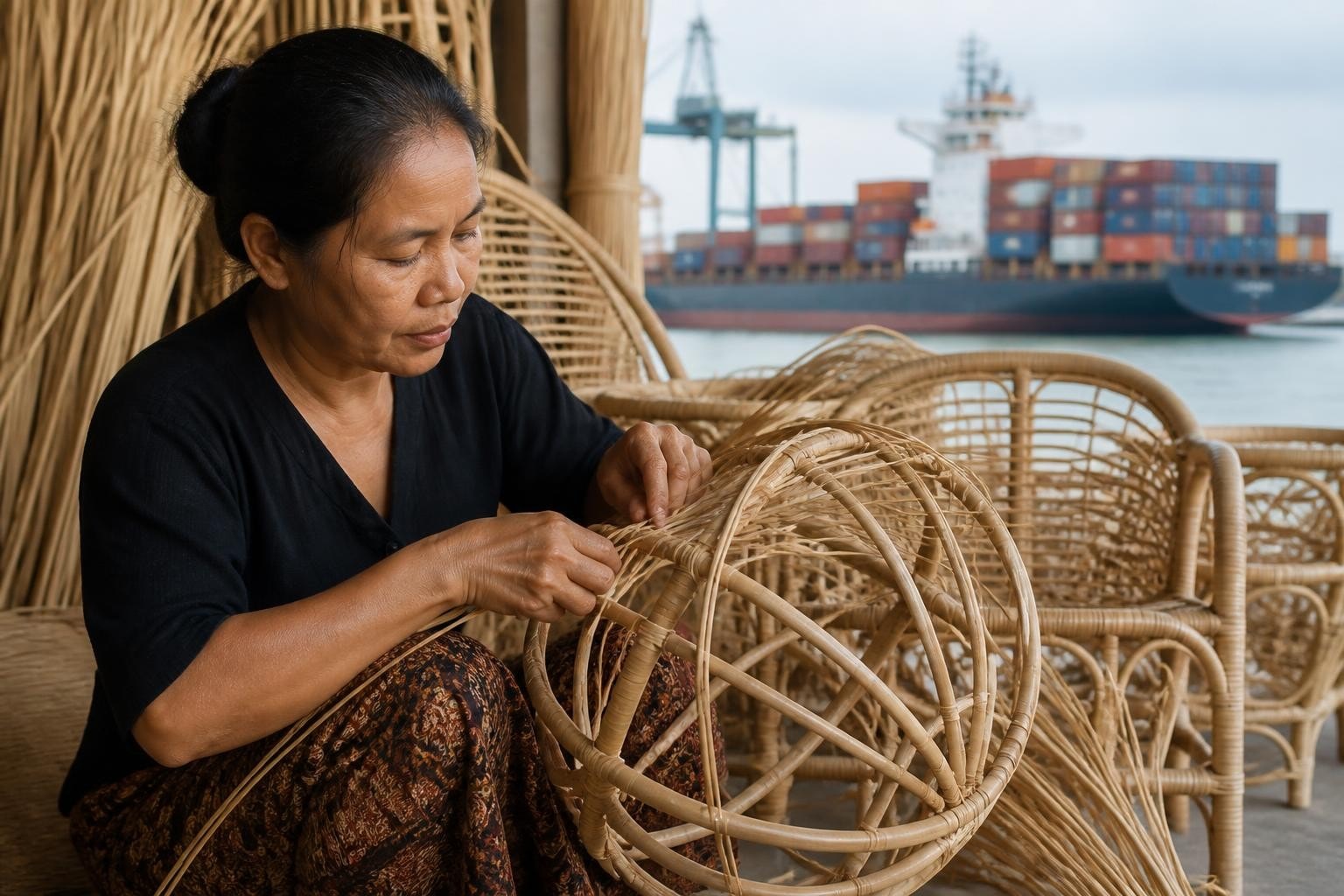
Indonesia's rattan furniture industry represents a remarkable intersection of traditional craftsmanship and modern global commerce. As the world's largest producer and exporter of rattan products, Indonesia supplies approximately 80 percent of the global market, with Java serving as a key manufacturing hub. Understanding what distinguishes a quality Indonesian rattan furniture exporter from competitors requires examining production methods, sustainability practices, and export capabilities that have evolved over generations.
The Indonesian Rattan Export Landscape
The Indonesian furniture sector has demonstrated consistent growth in international markets, with export volumes continuing to climb through 2026. According to World Bank trade data, rattan furniture classified under HS code 940380 reached significant export values to North America, Europe, and Asia-Pacific regions.
Key export destinations include:
- United States and Canada
- European Union member states
- Australia and New Zealand
- Japan and South Korea
- United Arab Emirates
The geographic diversity of buyers reflects rattan's universal appeal across design aesthetics, from minimalist Scandinavian interiors to bohemian coastal settings. An established Indonesian rattan furniture exporter maintains relationships across these markets while navigating distinct regulatory requirements for each region.
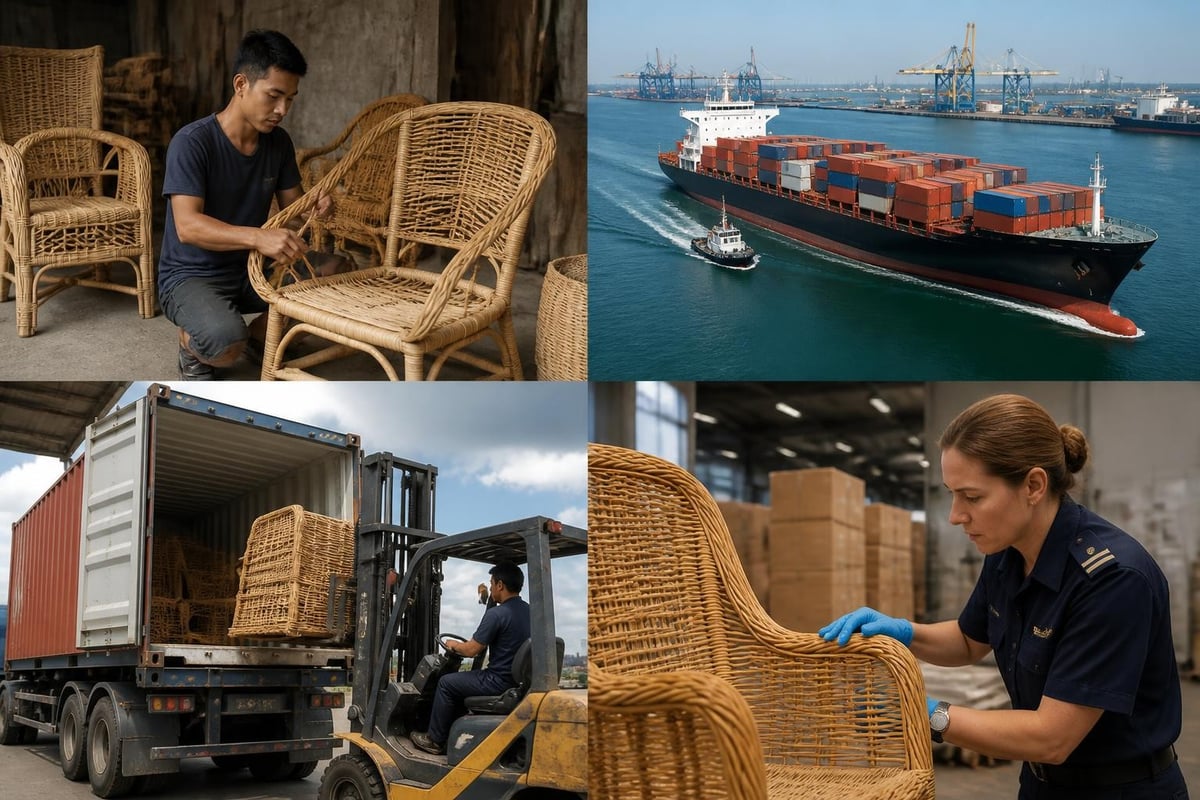
Manufacturing Heritage and Artisan Networks
Javanese rattan production centers in cities like Cirebon have developed specialized expertise over centuries. These regions house multigenerational artisan families who have refined handweaving techniques that machines cannot replicate. A reputable Indonesian rattan furniture exporter sources from these traditional production hubs rather than mass-production facilities, ensuring authentic craftsmanship in every piece.
The distinction matters significantly for quality. Handwoven rattan furniture exhibits superior structural integrity because skilled artisans adjust tension and weave patterns based on each strand's natural characteristics. They identify and work with the material's inherent strengths, creating furniture that withstands decades of use.
| Production Method | Durability | Customization | Lead Time | Price Point |
|---|---|---|---|---|
| Handwoven | 15-20+ years | High flexibility | 4-8 weeks | Premium |
| Semi-automated | 8-12 years | Moderate | 2-4 weeks | Mid-range |
| Mass-produced | 3-5 years | Limited | 1-2 weeks | Economy |
Sustainability and Material Sourcing
Responsible Indonesian rattan furniture exporters prioritize sustainable harvesting practices that ensure long-term forest health. Unlike timber, rattan is a climbing palm that regenerates quickly when harvested correctly, making it an environmentally superior choice for furniture production. The vine continues growing after cutting, with mature stems ready for harvest every five to seven years.
Certification and Compliance
Meeting international standards requires documentation at every supply chain stage. European markets particularly demand strict adherence to phytosanitary protocols outlined in EU plant health regulations, which govern movement of plant-based materials. These regulations protect against pest introduction while ensuring product safety.
Essential certifications include:
- SVLK (Indonesian Timber Legality Verification System)
- FSC or PEFC forest management standards
- Fumigation and phytosanitary certificates
- Country-specific import permits
An Indonesian rattan furniture exporter with established compliance frameworks streamlines the documentation process, reducing delays at customs and ensuring timely delivery to buyers.
Product Range and Customization Capabilities
The versatility of rattan enables diverse product categories that appeal to residential, commercial, and hospitality sectors. Successful exporters maintain comprehensive catalogs while offering customization options that differentiate their offerings in competitive markets.
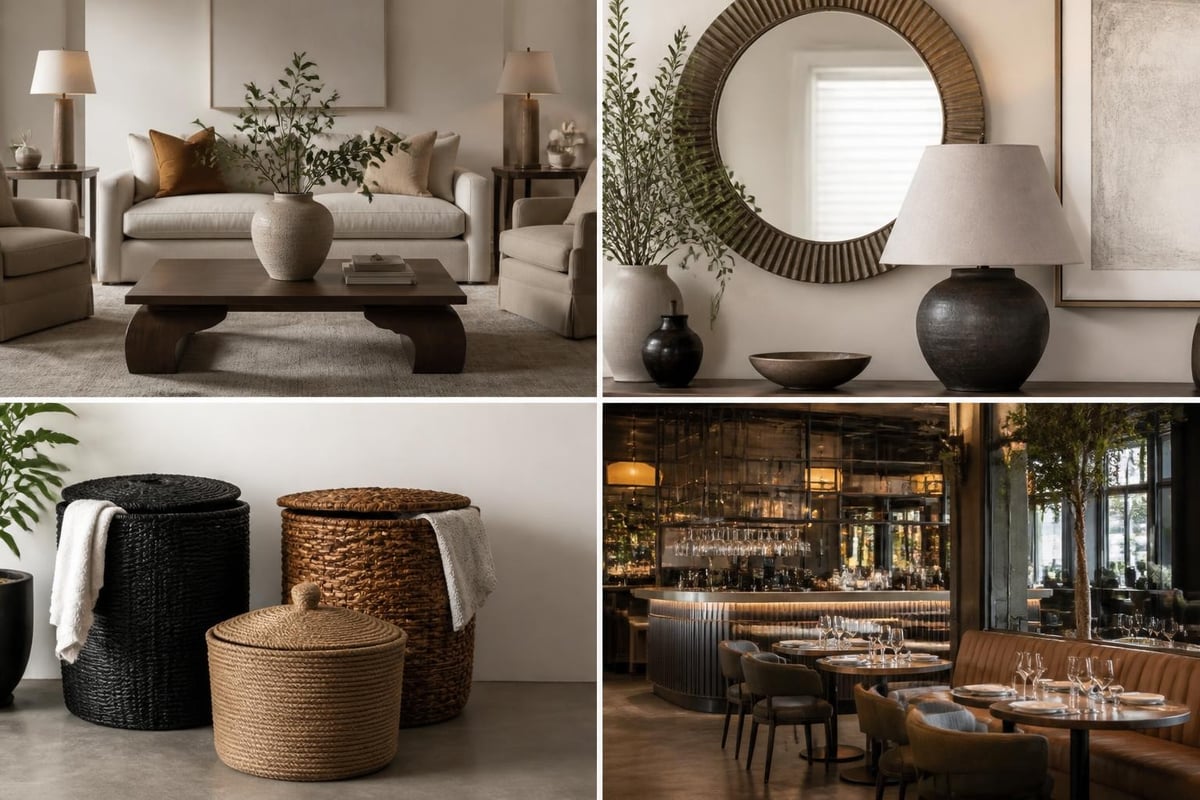
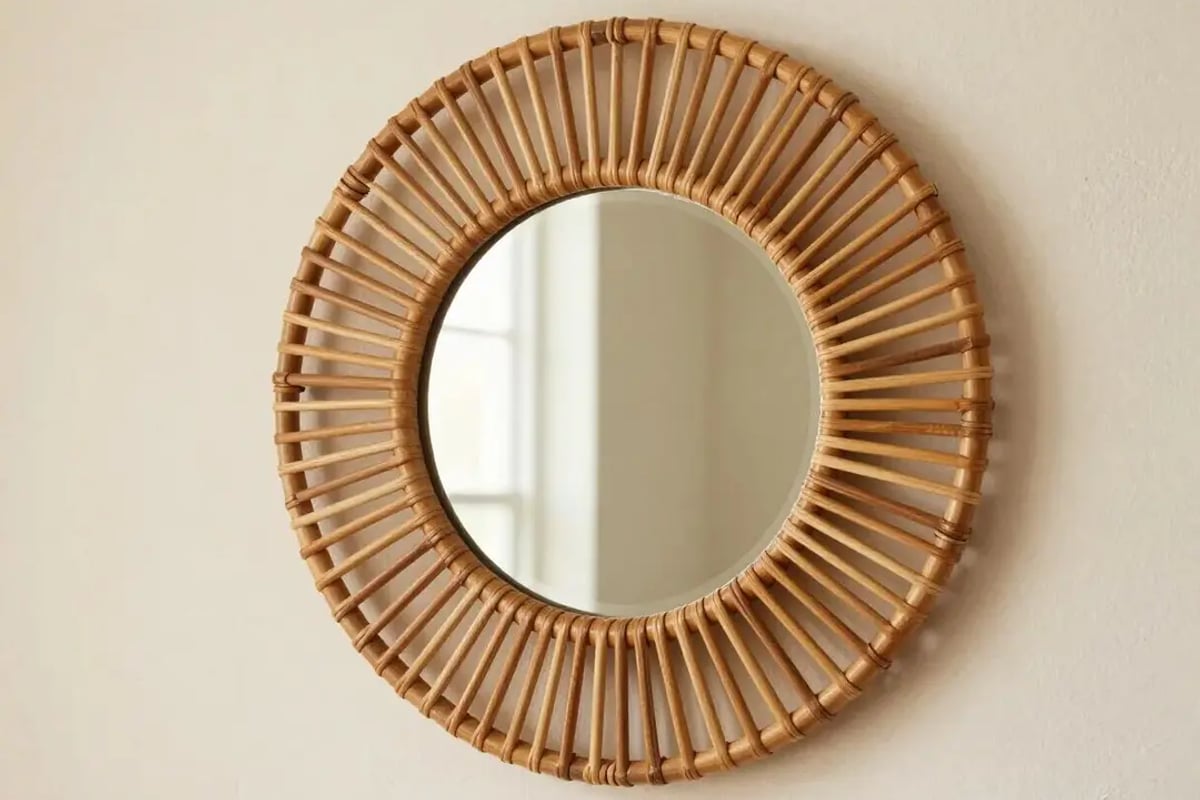
Leading manufacturers produce everything from chair and table sets to decorative accessories like lamp shades and mirror frames. This range allows buyers to source complete collections from a single Indonesian rattan furniture exporter, simplifying logistics and ensuring design consistency across product lines.
Storage solutions represent a particularly growing segment, with hampers and baskets gaining popularity in sustainable home organization markets. These smaller items also serve as entry points for retailers testing rattan categories before committing to larger furniture orders.
For businesses seeking handcrafted, sustainable rattan products that blend traditional artisan quality with modern design sensibilities, Rattan Furniture and Hand Craft offers an extensive collection of tables, chairs, mirror frames, hampers, and lamp shades that exemplify Indonesian craftsmanship at its finest.
Export Logistics and Buyer Considerations
Understanding container optimization, shipping timelines, and documentation requirements separates experienced Indonesian rattan furniture exporters from novice suppliers. The International Tropical Timber Organization market reports regularly track furniture export trends that inform pricing and capacity planning.
Container Loading and Shipping
Rattan's relatively light weight compared to hardwood furniture allows efficient container utilization. A standard 40-foot high-cube container typically accommodates 800 to 1,200 pieces depending on item size and packaging methods. Exporters who master nested packing techniques maximize volume while protecting products during ocean transit.
Typical shipping timelines by destination:
- North America West Coast: 18-25 days
- North America East Coast: 35-42 days
- European ports: 28-35 days
- Australia: 12-18 days
Quality exporters provide real-time shipment tracking and maintain insurance coverage for the full declared value, protecting buyers against damage or loss during international transit.
Building Long-Term Partnerships
The most successful relationships between buyers and Indonesian rattan furniture exporters develop through consistent communication, quality control protocols, and mutual growth objectives. Establishing clear specifications for finish quality, dimensions, and weight tolerances prevents misunderstandings that derail production schedules.
Regular factory visits allow buyers to verify working conditions, assess artisan skill levels, and identify opportunities for product development collaboration. Video conferencing technology has made virtual inspections viable for buyers who cannot travel regularly, though in-person relationships still generate the deepest trust and understanding.
Payment terms evolve as partnerships mature. Initial orders typically require 30-50 percent deposits with balance due before shipment, while established buyers may negotiate net-30 or net-60 terms after demonstrating reliable payment history. Letter of credit arrangements through international banks provide security for both parties on large-value orders.
Indonesian rattan furniture exporters who combine artisan heritage with modern export practices deliver exceptional value to global buyers seeking sustainable, handcrafted products. Whether you need complete furniture collections or decorative accents, partnering with experienced Java-based manufacturers ensures authentic quality backed by generations of weaving expertise. Rattan-Java connects international buyers with skilled Javanese artisans who craft premium rattan furniture and homeware for discerning markets worldwide.
Looking for handwoven rattan furniture?
Explore our collections or reach out for wholesale catalog and pricing details.
Continue Reading