 Rattan-Java
Journal
Java Rattan Furniture Manufacturer: Complete Guide 2026
September 30, 2026 · 6 min read
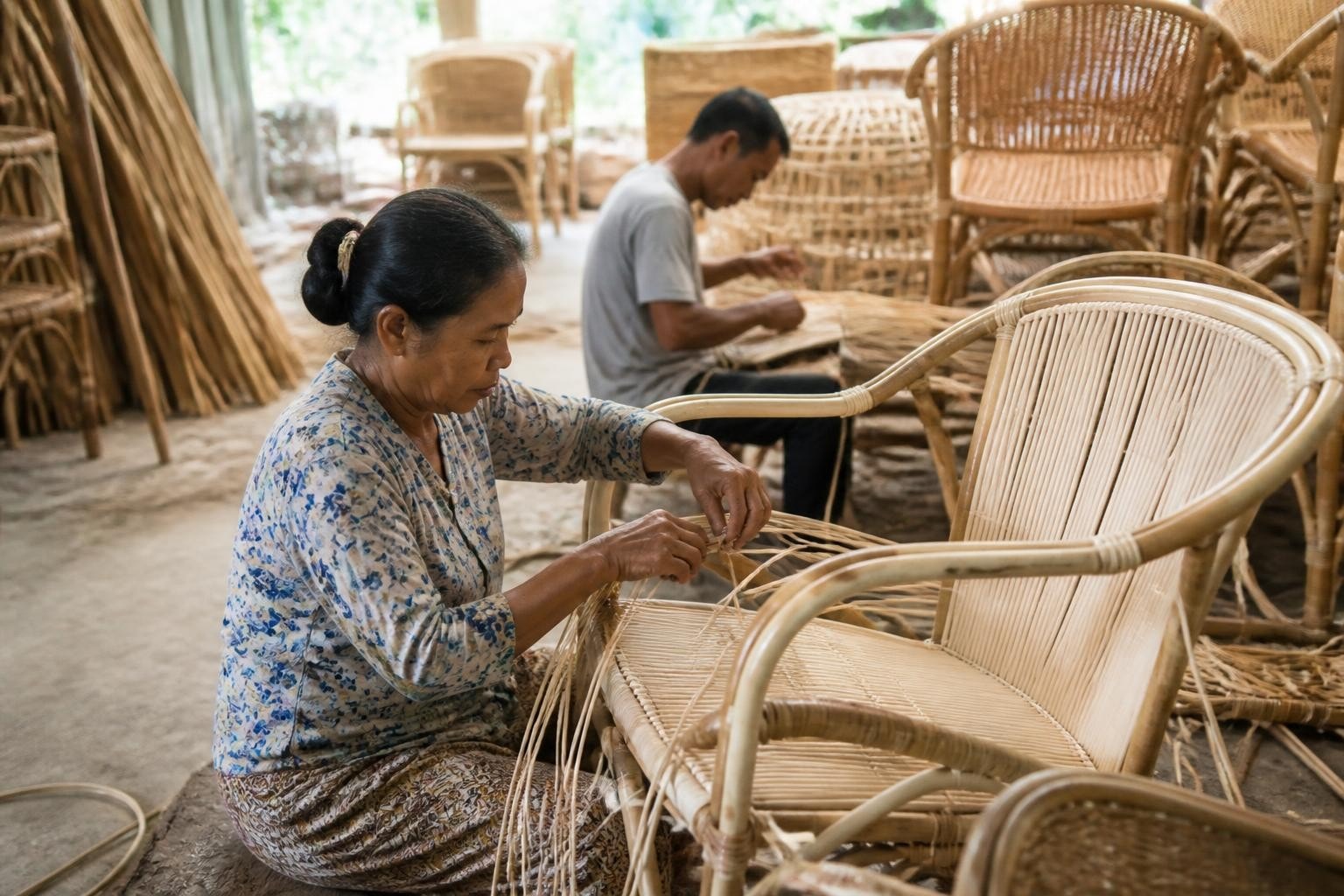
Indonesia's island of Java has long served as the epicenter of rattan furniture manufacturing, where generations of skilled artisans have refined the craft of transforming raw rattan into exquisite furniture pieces. A java rattan furniture manufacturer combines traditional handweaving techniques with modern production standards to create sustainable, durable products that meet international quality expectations. Understanding what sets these manufacturers apart is essential for importers, retailers, and businesses seeking authentic, responsibly sourced rattan furniture in today's competitive marketplace.
The Legacy of Javanese Rattan Craftsmanship
Java's position as a leading producer stems from its unique combination of natural resources, cultural heritage, and artisan expertise. The island's tropical climate provides ideal growing conditions for rattan, while centuries of woodworking and weaving traditions have created a skilled workforce unmatched in precision and technique.
Traditional Techniques Meet Modern Standards
Authentic handweaving remains the cornerstone of quality rattan furniture production. Master craftspeople in Java spend years perfecting techniques passed down through family lineages, learning to select premium rattan poles, steam and bend them into precise shapes, and weave intricate patterns that provide both structural integrity and aesthetic appeal.
The FAO technical review on sustainable rattan management details how proper material selection and processing directly impact final product quality. A reputable java rattan furniture manufacturer implements these standards from raw material sourcing through finishing.
Production Capabilities and Quality Control
Modern java rattan furniture manufacturer operations balance artisan craftsmanship with scalable production systems. This dual approach ensures consistent quality while maintaining the handmade character that distinguishes rattan furniture from mass-produced alternatives.
Manufacturing Process Overview
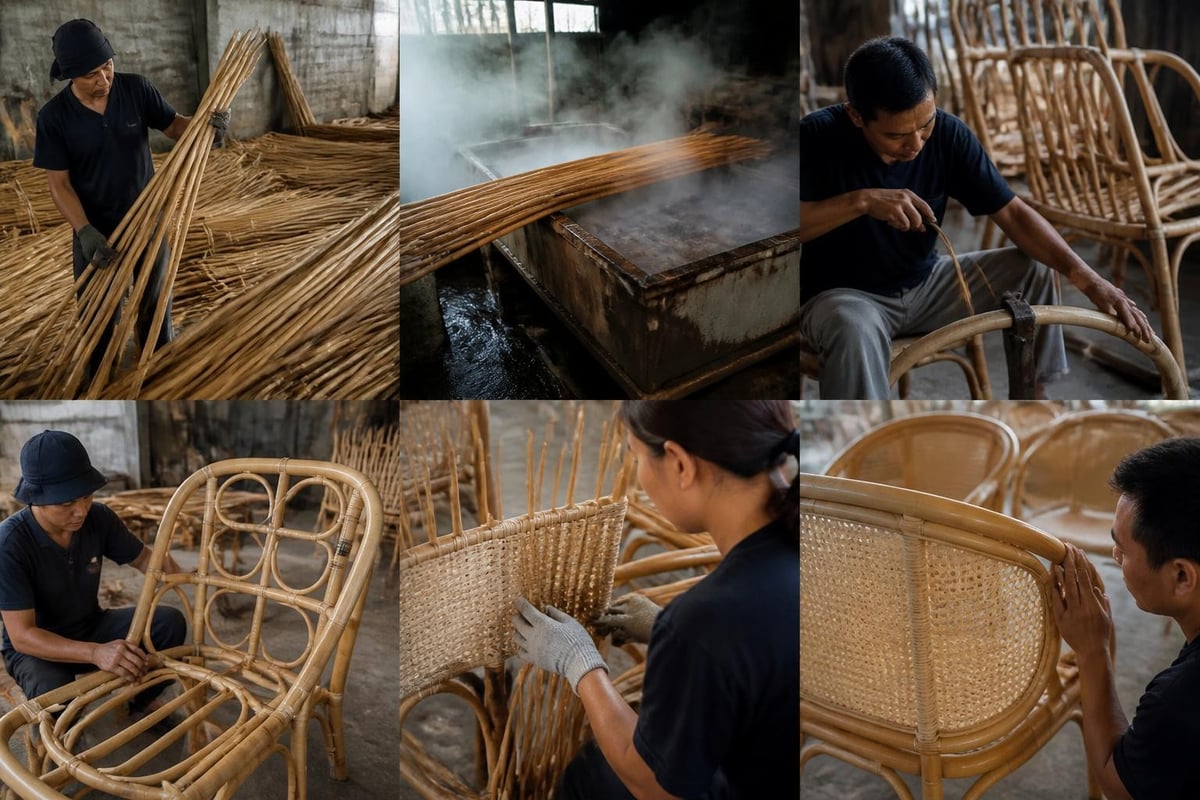
The production journey involves multiple specialized stages:
- Raw material procurement from sustainable rattan plantations
- Sorting and grading based on diameter, length, and quality
- Steaming and bending to achieve desired curves and shapes
- Frame construction using joinery techniques for durability
- Weaving application with selected rattan core or peel
- Finishing treatments including sanding, staining, or coating
- Quality inspection and packaging for export
According to research on rattan processing flows, manufacturers who systematize these steps while preserving handwork achieve the best balance of efficiency and quality. Each stage requires specific skills, and the best manufacturers maintain dedicated teams for each process.
Quality Benchmarks and Standards
| Quality Factor | Standard Practice | Impact on Product |
|---|---|---|
| Rattan Selection | Grade A poles, 3-5 year maturity | Superior strength and flexibility |
| Moisture Content | Controlled at 10-12% | Prevents cracking and warping |
| Joint Construction | Reinforced with wrapping and adhesive | Enhanced structural durability |
| Finish Application | Multiple coats with proper drying | Weather resistance and longevity |
Manufacturers who export rattan furniture must meet international safety and quality certifications. This includes formaldehyde testing, weight capacity verification, and finish durability standards required by major markets.
Sustainability and Ethical Manufacturing
Environmental responsibility has become a defining characteristic of leading Java manufacturers. Rattan itself is inherently sustainable, growing rapidly without requiring replanting and helping preserve forest ecosystems. However, responsible manufacturing extends beyond raw material sourcing.
Sustainable Practices in Production
- Zero-waste philosophy utilizing rattan core, peel, and even offcuts
- Natural finishing options using water-based stains and eco-friendly coatings
- Energy-efficient processes leveraging solar drying and minimal machinery
- Fair labor practices ensuring artisan wages and safe working conditions
The World Bank trade data for Indonesian furniture exports shows steady growth in rattan furniture shipments, partly driven by increasing global demand for sustainable home furnishings. Manufacturers who transparently document their sustainability practices gain competitive advantages in environmentally conscious markets.

Product Range and Customization Capabilities
A comprehensive java rattan furniture manufacturer offers diverse product categories to serve various market segments. Product development capabilities separate versatile manufacturers from limited producers.
Core Product Categories
Indoor furniture includes dining sets, lounge chairs, storage solutions, and decorative accents. These pieces typically feature finer weaving and premium finishes suitable for climate-controlled environments. Mirror frames and lamp shades represent popular homeware categories that showcase intricate weaving techniques.
Outdoor collections require weather-resistant construction and finishing. Chair and table sets designed for patio use incorporate treatments that withstand moisture and UV exposure while maintaining the natural aesthetic.
Storage and organization products like hampers and baskets demonstrate the versatility of rattan beyond traditional furniture applications. These items often feature simpler construction, making them accessible entry points for retailers testing the rattan market.
For businesses seeking distinctive product lines, partnering with manufacturers offering custom design services provides opportunities to develop exclusive collections. The ITTO market reports indicate that customization capabilities increasingly influence buyer decisions in competitive markets.
Selecting the Right Manufacturing Partner
Choosing a java rattan furniture manufacturer requires evaluating multiple factors beyond price. Long-term success depends on finding partners whose capabilities align with your business requirements and values.
Essential Evaluation Criteria
Production capacity determines whether a manufacturer can scale with your business growth. Request information about workforce size, facility dimensions, and current production volumes. Manufacturers handling 500-1000 pieces monthly offer better scalability than smaller workshops.
Design flexibility matters for businesses requiring unique products. Review portfolios, ask about custom development processes, and understand minimum order quantities for bespoke designs. Some manufacturers excel at replicating provided designs, while others offer in-house design services.
Export experience significantly impacts order fulfillment success. Manufacturers familiar with international shipping, documentation requirements, and quality certifications reduce complications. The UN Comtrade database provides tools for verifying export track records through trade statistics.
| Consideration | Questions to Ask | Red Flags |
|---|---|---|
| Quality Control | What inspection stages exist? | No documented QC process |
| Lead Times | Average production and shipping duration? | Vague or inconsistent timelines |
| Communication | Response time and language capabilities? | Poor English, delayed responses |
| Certifications | Relevant quality and safety credentials? | Unwillingness to provide documentation |
Building Successful Partnerships
Effective collaboration with a java rattan furniture manufacturer starts with clear communication about expectations, specifications, and timelines. Provide detailed product requirements including dimensions, finishes, and packaging preferences.
Request samples before committing to large orders. Physical samples reveal construction quality, finish appearance, and overall craftsmanship far better than photographs. Many experienced manufacturers maintain sample programs specifically for this purpose.
For retailers and importers looking to explore the full range of handwoven rattan products, browsing comprehensive collections from established Java-based exporters provides insight into current design trends and manufacturing capabilities. The best manufacturers actively share their expertise through educational resources and transparent communication.
Innovation in Traditional Craft
While handweaving remains central to quality rattan furniture, forward-thinking manufacturers explore innovations that enhance efficiency without compromising authenticity. Research into automated weaving technologies suggests potential applications for specific production stages, though full automation remains impractical for complex furniture pieces.
Balancing Tradition and Technology
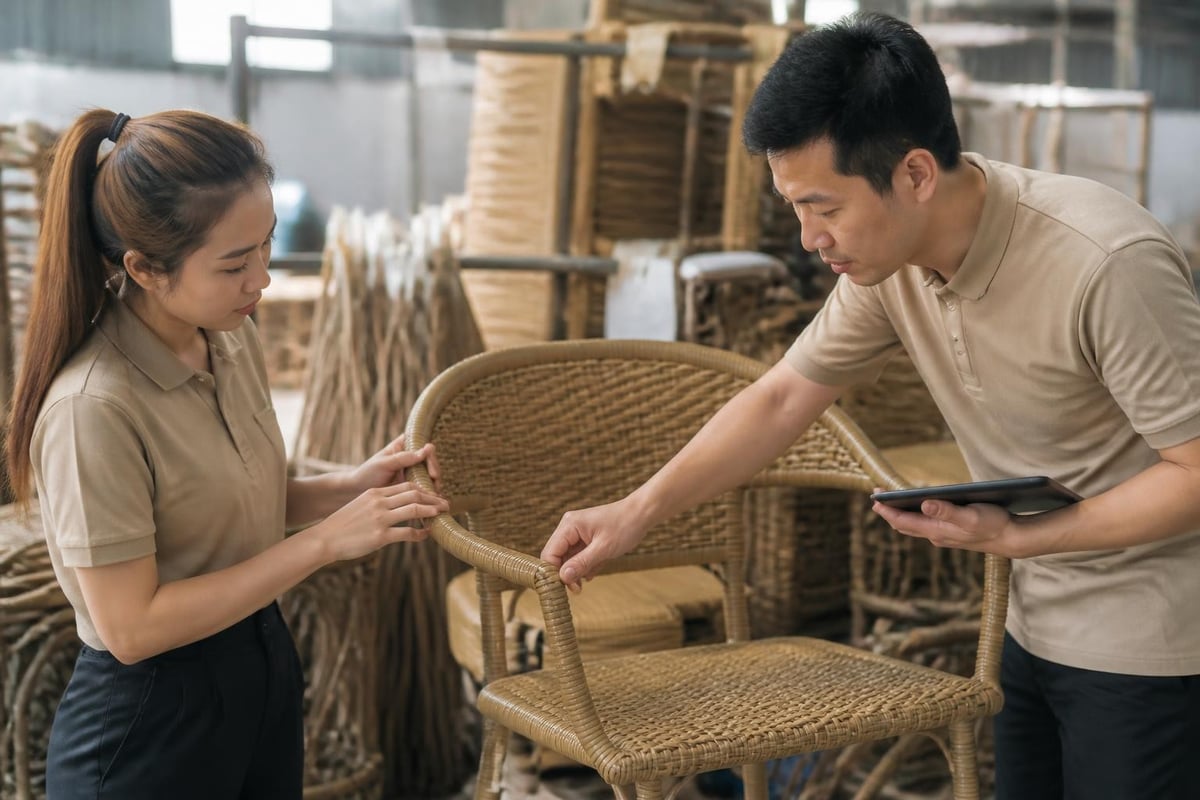
Modern java rattan furniture manufacturer facilities incorporate selective mechanization for preparatory tasks like cutting, sanding, and finishing application. These efficiency gains allow artisans to focus their skills on the handweaving and assembly stages where human expertise creates the greatest value.
Digital tools for design visualization and specification sharing have transformed how manufacturers collaborate with international clients. 3D modeling software enables precise communication about custom designs, reducing misunderstandings and revision cycles that historically complicated long-distance partnerships.
Partnering with a skilled java rattan furniture manufacturer opens opportunities to offer distinctive, sustainable furniture that resonates with today's eco-conscious consumers. Whether you seek classic designs or custom collections, selecting manufacturers who combine traditional craftsmanship with reliable production systems ensures product quality and business success. Rattan-Java brings generations of Javanese artisan expertise to the global marketplace, handcrafting sustainable rattan furniture and homeware that meet international quality standards while preserving traditional techniques.
Looking for handwoven rattan furniture?
Explore our collections or reach out for wholesale catalog and pricing details.
Continue Reading