 Rattan-Java
Journal
Rattan Basket Manufacturer Indonesia: Quality & Trade
September 25, 2026 · 5 min read
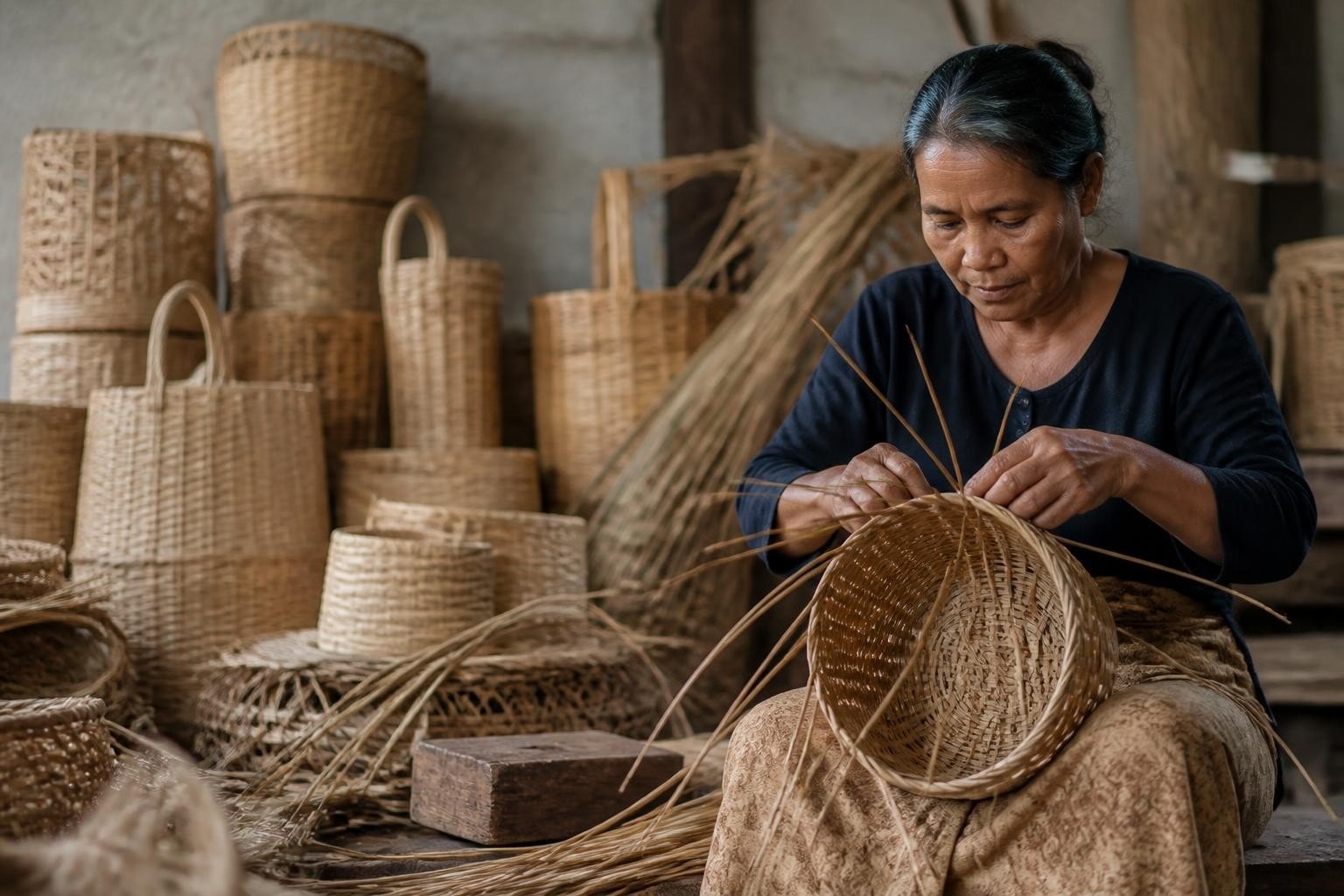
Indonesia has established itself as the world's premier source for rattan basketware, combining abundant natural resources with centuries-old artisan traditions. As global demand for sustainable, handcrafted home goods continues rising, understanding what sets a rattan basket manufacturer Indonesia operation apart becomes essential for importers, retailers, and design-conscious consumers. The country's unique position in the global rattan trade stems from both ecological advantages and deeply rooted cultural expertise in working with this versatile material.
Indonesia's Dominance in Global Rattan Production
Indonesia controls approximately 80% of the world's rattan supply, with primary forests across Kalimantan, Sulawesi, and Sumatra providing critical habitat for over 300 rattan species. This natural abundance translates directly into manufacturing capacity.
The country's rattan basketwork exports have grown consistently over the past decade. According to Indonesia's statistics agency (BPS), commodity code HS 46021290 covering rattan basketwork shows substantial export volumes to North America, Europe, and Australia.
Regional Manufacturing Hubs
Java remains the epicenter of finished rattan basket production, particularly around Cirebon, Tasikmalaya, and Yogyakarta. These regions host thousands of workshops where artisan traditions passed through generations continue to thrive.
Kalimantan and Sulawesi focus more on raw material harvesting and primary processing, though research indicates sustainable management challenges that require ongoing attention.
What Makes Indonesian Rattan Basket Manufacturers Unique
Choosing a rattan basket manufacturer Indonesia-based offers distinct advantages beyond simple cost considerations. The craftsmanship element cannot be overstated.
Traditional Handweaving Techniques
Indonesian artisans employ techniques refined over centuries:
- Stake-and-strand weaving for structural baskets
- Twining methods for decorative patterns
- Coiling techniques for round-bottom designs
- Open weave patterns for ventilation in storage baskets
Each method requires years of apprenticeship to master. Unlike machine-made alternatives, handwoven rattan baskets display subtle irregularities that authenticate their artisan origin.
Material Quality and Processing
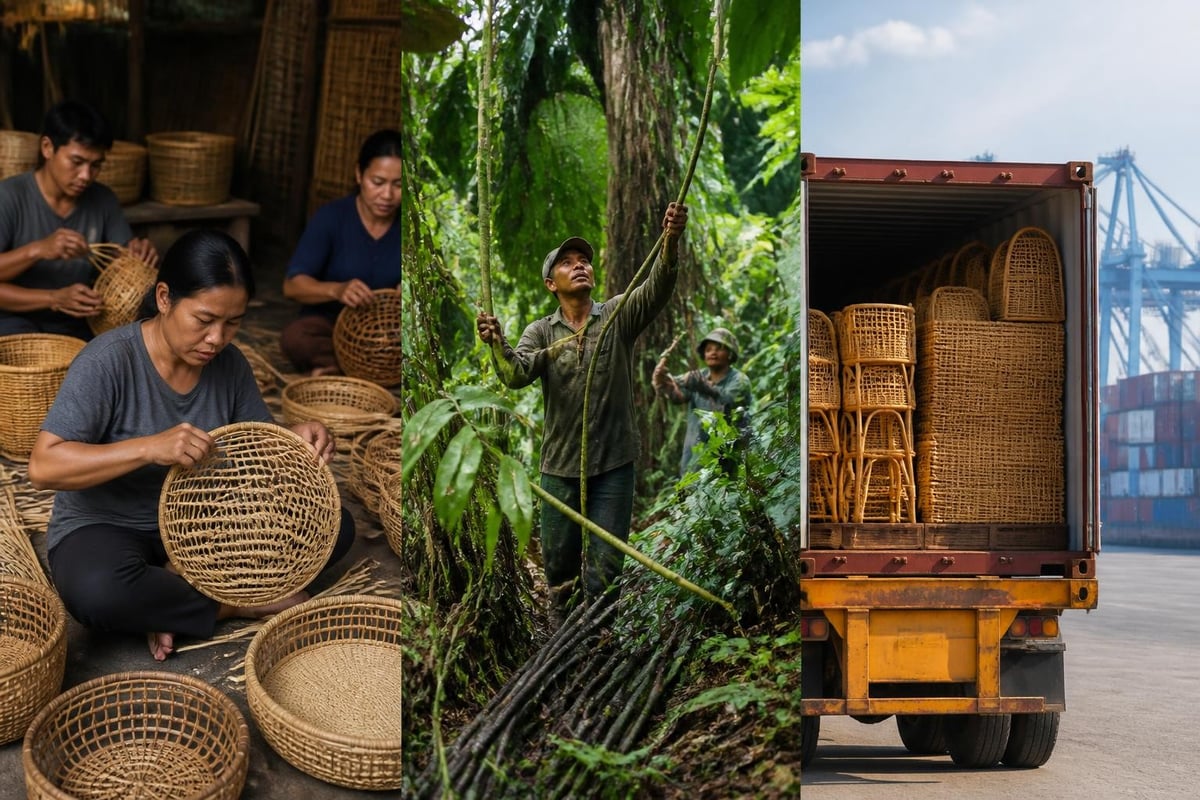
Indonesian manufacturers benefit from direct access to premium rattan species. The processing workflow typically includes:
- Harvesting mature rattan canes (typically 7-10 years old)
- Cleaning and grading by diameter and quality
- Smoking or boiling to prevent insect infestation
- Drying to optimal moisture content (12-15%)
- Splitting and sizing for specific basket applications
- Weaving by skilled artisans
- Finishing with natural oils or protective coatings
This multi-stage process ensures durability and aesthetic consistency in finished products.
Export Markets and Trade Dynamics
The international appetite for Indonesian rattan basketware continues expanding. Indonesia's furniture market statistics show strong export performance across multiple product categories, with basketwork representing a significant segment.
| Market Region | Primary Products | Key Demand Drivers |
|---|---|---|
| North America | Storage baskets, planters | Home organization, biophilic design |
| Europe | Decorative baskets, hampers | Sustainability, artisan goods |
| Australia | Outdoor furniture baskets | Tropical aesthetics, durability |
| Middle East | Gift baskets, decorative items | Luxury handcraft market |
Government Support Initiatives
Recognizing rattan's economic importance, Indonesian authorities have launched revitalization programs to strengthen the supply chain. These include certification schemes for sustainable harvesting and export facilitation measures.
Sustainability Considerations for Buyers
Working with a rattan basket manufacturer Indonesia-based requires attention to sustainability practices. Rattan qualifies as a renewable resource when harvested responsibly, regenerating from its root system without requiring replanting.
However, WWF's global rattan trade analysis highlights concerns about overharvesting in certain regions. Buyers should verify:
- Source documentation confirming legal harvest areas
- Artisan welfare standards ensuring fair compensation
- Processing methods that minimize chemical use
- Certification from recognized sustainable forestry programs
Rattan-Java exemplifies this responsible approach, sourcing materials from managed forests and working exclusively with fair-trade artisan cooperatives. Their hampers and baskets collection demonstrates how traditional craftsmanship aligns with contemporary sustainability expectations.
Manufacturing Capacity and Lead Times
Understanding production realities helps importers plan effectively. Academic research on rattan basket production capacity indicates that workshop output varies significantly based on design complexity.
Typical Production Parameters
Simple utility baskets: 5-8 pieces per artisan per day
Medium decorative baskets: 2-4 pieces per artisan per day
Complex statement pieces: 0.5-1 piece per artisan per day
Lead times for container orders typically range from 6-10 weeks, factoring in:
- Material procurement (1-2 weeks)
- Production (3-6 weeks)
- Quality control and finishing (1 week)
- Shipping preparation (1 week)
Rush orders may incur premium pricing as workshops reallocate artisan resources.
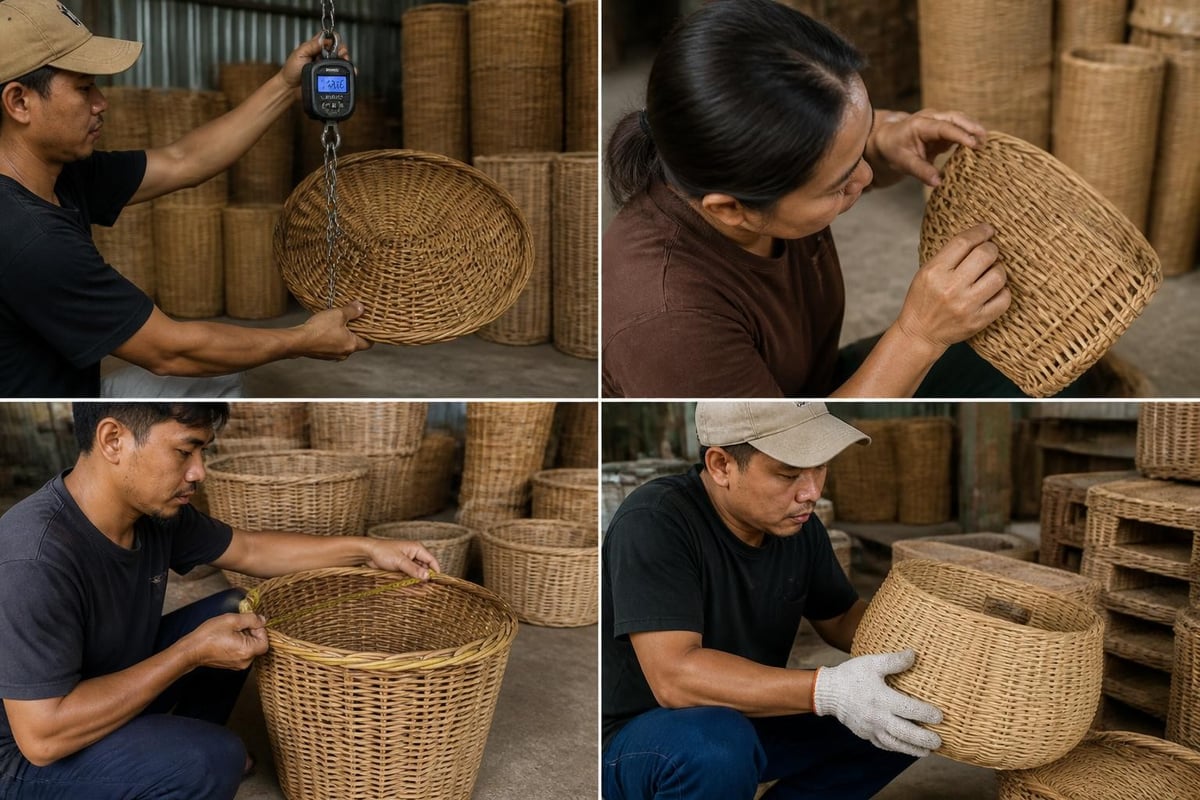
Quality Standards and Inspection Points
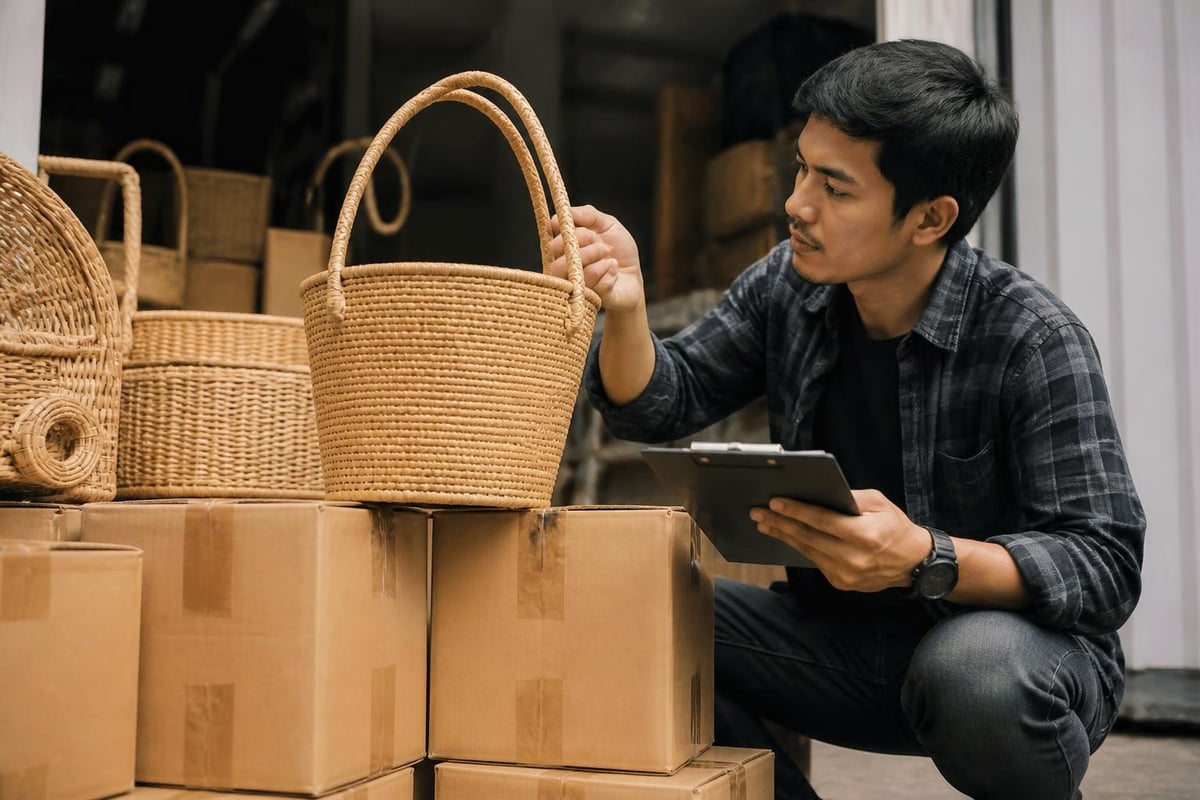
Professional rattan basket manufacturer Indonesia operations implement rigorous quality control. Key inspection criteria include:
- Structural integrity: No weak points in base or rim
- Weave consistency: Even tension throughout
- Finishing quality: Smooth surfaces, secure ends
- Dimensional accuracy: Compliance with specifications
- Color uniformity: Consistent staining or natural tone
Third-party inspection services provide additional verification for large orders, though established manufacturers typically maintain in-house quality assurance teams.
Working with Indonesian Manufacturers
Successful partnerships with a rattan basket manufacturer Indonesia-based require clear communication and realistic expectations. Consider these best practices:
Initial Engagement
Start with sample orders to evaluate craftsmanship quality, communication responsiveness, and shipping reliability. Most manufacturers offer sample programs at reasonable costs.
Specification Development
Provide detailed specifications including:
- Precise dimensions (metric preferred)
- Weave pattern references or photos
- Finish preferences (natural, stained, lacquered)
- Quantity requirements and delivery schedules
Payment and Logistics
Standard terms typically involve 30-50% deposit with balance against shipping documents. FOB (Free On Board) pricing from Indonesian ports remains most common, though some manufacturers offer CIF (Cost, Insurance, Freight) to destination ports.
The ITTO market report provides useful context on current rattan trade conditions and pricing trends affecting manufacturer operations.
Design Trends in Rattan Basketware
Contemporary demand increasingly favors designs that blend traditional techniques with modern aesthetics. Popular categories include:
Minimalist storage solutions with clean lines and neutral tones
Boho-chic decorative pieces featuring intricate patterns
Multifunctional designs serving both storage and display purposes
Sustainable packaging alternatives replacing single-use options
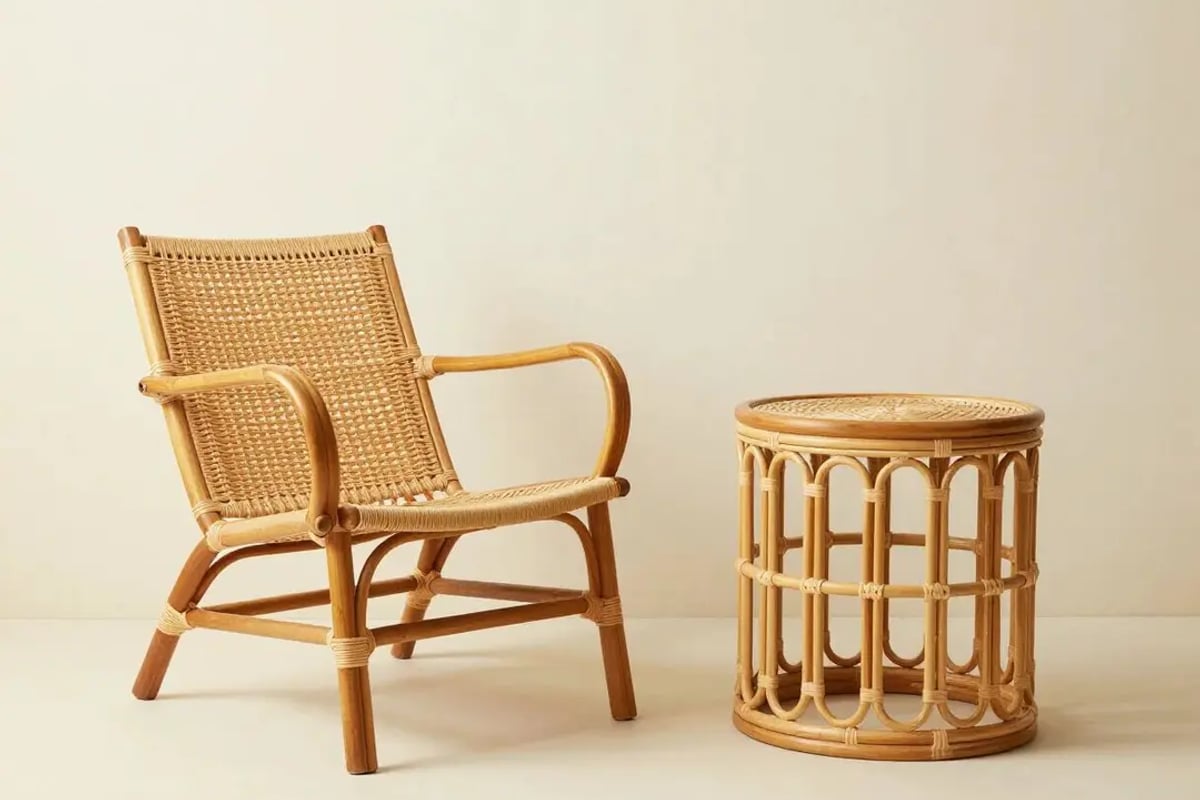
Manufacturers who maintain design flexibility while preserving artisan authenticity position themselves advantageously in evolving markets. Exploring options like mirror frames and lamp shades shows how rattan basketweaving techniques adapt to diverse product applications.
Indonesia's rattan basket manufacturing sector combines ecological resources, artisan heritage, and export infrastructure to serve global markets with authentic, sustainable products. Whether you're sourcing storage solutions for retail, decorative pieces for interior design projects, or sustainable packaging alternatives, partnering with an established manufacturer ensures quality, reliability, and ethical production practices. Rattan-Java brings generations of Javanese craftsmanship to international buyers, offering handwoven rattan baskets and homeware that meet contemporary quality and sustainability standards while preserving traditional artisan techniques.
Looking for handwoven rattan furniture?
Explore our collections or reach out for wholesale catalog and pricing details.
Continue Reading