 Rattan-Java
Journal
Rattan Furniture Supplier for Hotels: A Complete Guide
September 15, 2026 · 6 min read

Hotels increasingly turn to natural materials to create warm, inviting spaces that resonate with sustainability-conscious travelers. As biophilic design continues to shape hospitality interiors in 2026, finding the right rattan furniture supplier for hotels has become essential for property developers, interior designers, and procurement teams. The choice of supplier affects not only aesthetic outcomes but also durability, compliance, and long-term value.
Understanding Hotel-Grade Rattan Requirements
Commercial hospitality environments demand furniture that withstands intensive daily use while maintaining visual appeal. When evaluating a rattan furniture supplier for hotels, buyers must consider performance criteria that extend far beyond residential standards.
Structural Integrity and Testing
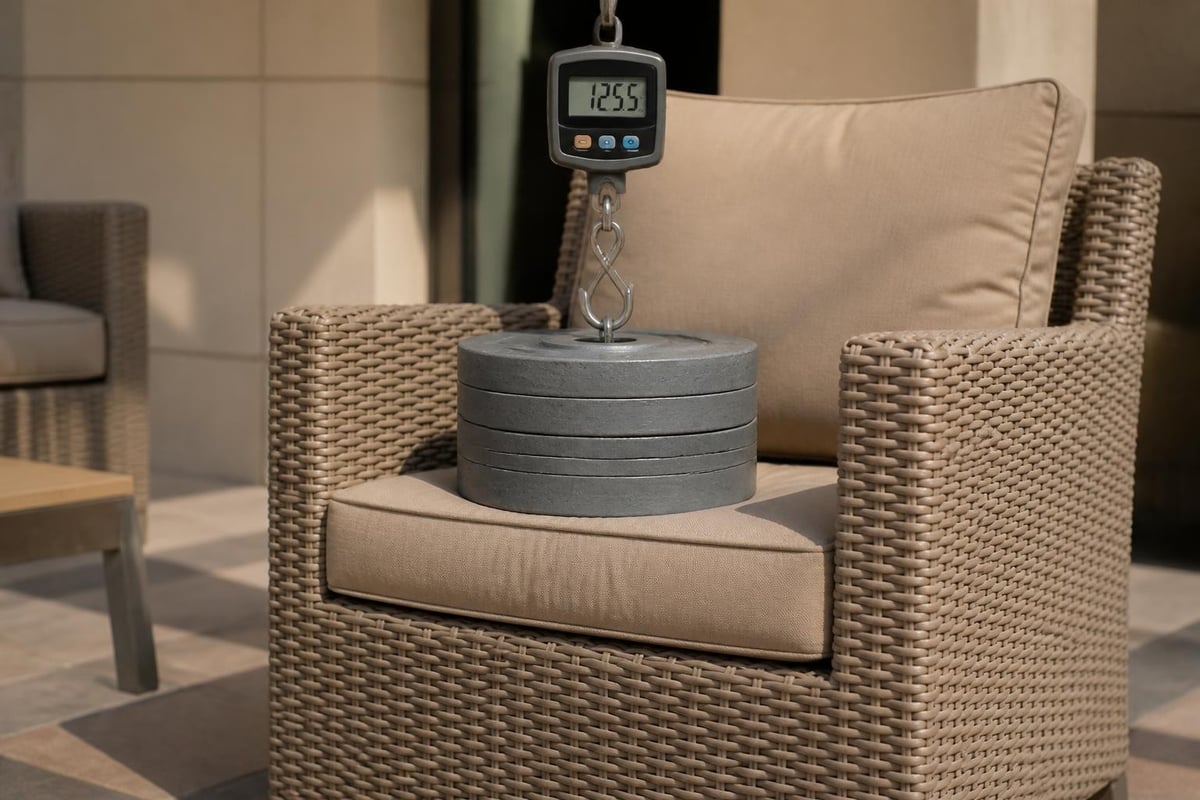
Hotel furniture faces significantly higher stress than home pieces. Guests of varying sizes use chairs, tables, and loungers multiple times daily, year-round. A qualified supplier should demonstrate familiarity with BIFMA's outdoor furniture performance standards, which address weathering and structural testing for commercial woven pieces.
Key performance metrics include:
- Weight capacity ratings (typically 250-300 lbs for hotel seating)
- Joint stability under repeated stress cycles
- UV resistance for pieces in sun-exposed areas
- Moisture resilience in humid or coastal climates
Fire Safety Compliance
Perhaps the most critical consideration involves flammability standards. Hotels in most jurisdictions must comply with strict non-domestic furniture regulations. The FIRA guidance on contract furniture flammability provides essential background on these requirements.
Rattan pieces with upholstered elements require particular attention. Suppliers should be able to provide documentation showing compliance with relevant standards such as BS EN 1021 series for upholstered contract seating, depending on your property's location and regulatory framework.
Evaluating Supplier Capabilities
Not all manufacturers possess the infrastructure to serve hospitality clients effectively. The transition from artisan workshop to reliable commercial supplier requires specific organizational capabilities.
| Capability | Why It Matters | What to Look For |
|---|---|---|
| Production capacity | Meet project timelines | Minimum 500-1000 pieces/month |
| Quality control systems | Consistency across large orders | Documented inspection protocols |
| Export experience | Navigate customs, logistics | Track record with international hotels |
| Technical documentation | Specification compliance | CAD drawings, material certificates |
Manufacturing Transparency
A professional rattan furniture supplier for hotels should welcome facility visits or provide detailed documentation of their manufacturing process. Understanding how pieces are constructed reveals potential quality issues before they become project delays.
Questions to ask during supplier evaluation:
- What is your average lead time for a 200-piece order?
- How do you ensure color consistency across production batches?
- What warranty terms do you offer for commercial installations?
- Can you provide reference projects from hospitality clients?
- How do you handle mid-project modifications or additions?
Detailed specification guides help procurement teams develop clear requirements when communicating with potential suppliers, reducing misunderstandings and ensuring contract furniture meets project needs.
Sustainability and Supply Chain Transparency
Modern hotel brands face increasing pressure from guests and stakeholders to demonstrate environmental responsibility. The rattan furniture supplier for hotels you choose directly impacts your sustainability narrative.
Verifying Sustainable Sourcing
Wild rattan harvesting can contribute to forest degradation when done irresponsibly. WWF's work on rattan certification highlights the importance of verifying supply chain practices, particularly regarding FSC certification and community-based management systems.
Reputable suppliers from traditional rattan regions, particularly craftsmen in Java, Indonesia, often maintain long-standing relationships with sustainable rattan sources. These established supply chains typically involve managed cultivation rather than purely wild harvest.

Artisan Partnerships and Social Impact
Beyond environmental considerations, ethical sourcing involves understanding labor practices. Handwoven rattan furniture represents significant artisan labor. Suppliers who maintain direct relationships with weaving communities typically offer better quality control and more reliable lead times than those who outsource to multiple subcontractors.
When you source pieces such as handwoven chair and table sets from established exporters, you're often supporting multigenerational craft traditions. This craftsmanship translates into distinctive pieces that elevate hotel interiors beyond generic contract furniture.
For properties seeking authentic, artisan-crafted pieces that meet commercial hospitality standards, working with an experienced exporter who bridges traditional Indonesian craftsmanship and international quality expectations offers significant advantages. 
Technical Specifications for Hotel Projects
Clear specifications prevent costly misunderstandings. When issuing RFPs to potential suppliers, include detailed requirements that address both aesthetic and performance criteria.
Material Specifications
Rattan core considerations:
- Species (manau, calamus, etc.)
- Diameter ranges for structural vs. decorative elements
- Moisture content at delivery (typically 8-12%)
- Treatment processes (smoking, washing, bleaching)
Finish and Protection
Hotel environments require protective finishes that maintain appearance while allowing natural breathability. Specify coating types, number of layers, and expected maintenance intervals. FFEPlaybook resources provide practical templates for developing these specifications in hospitality contexts.
Managing the Procurement Process
Successful hotel furniture projects require careful timeline management, particularly when working with overseas manufacturers.
Timeline Planning
| Project Phase | Typical Duration | Key Activities |
|---|---|---|
| Supplier selection | 2-4 weeks | RFP, samples, evaluation |
| Sampling and approval | 3-6 weeks | Custom samples, revisions |
| Production | 8-12 weeks | Manufacturing, QC inspections |
| Shipping and customs | 4-8 weeks | Ocean freight, clearance |
| Installation | 1-2 weeks | Delivery, assembly, styling |
Building buffer time into each phase prevents rushed decisions. Most experienced suppliers can expedite production for premium fees, but quality may suffer.
Payment and Protection Terms
International furniture procurement involves significant financial commitments. Standard industry practice includes deposits (30-40%), progress payments, and final payment against shipping documents. Letter of credit arrangements provide protection for both parties in large contracts.
Quality Control and Inspection
Even the most reliable rattan furniture supplier for hotels benefits from structured oversight. Third-party inspection services can verify production standards before shipping, identifying issues while correction remains feasible.
Critical inspection points:
- Pre-production samples match approved specifications
- Mid-production check on weaving consistency and joinery
- Final inspection before packing (dimensions, finish, function)
- Container loading supervision (proper packing, piece count)
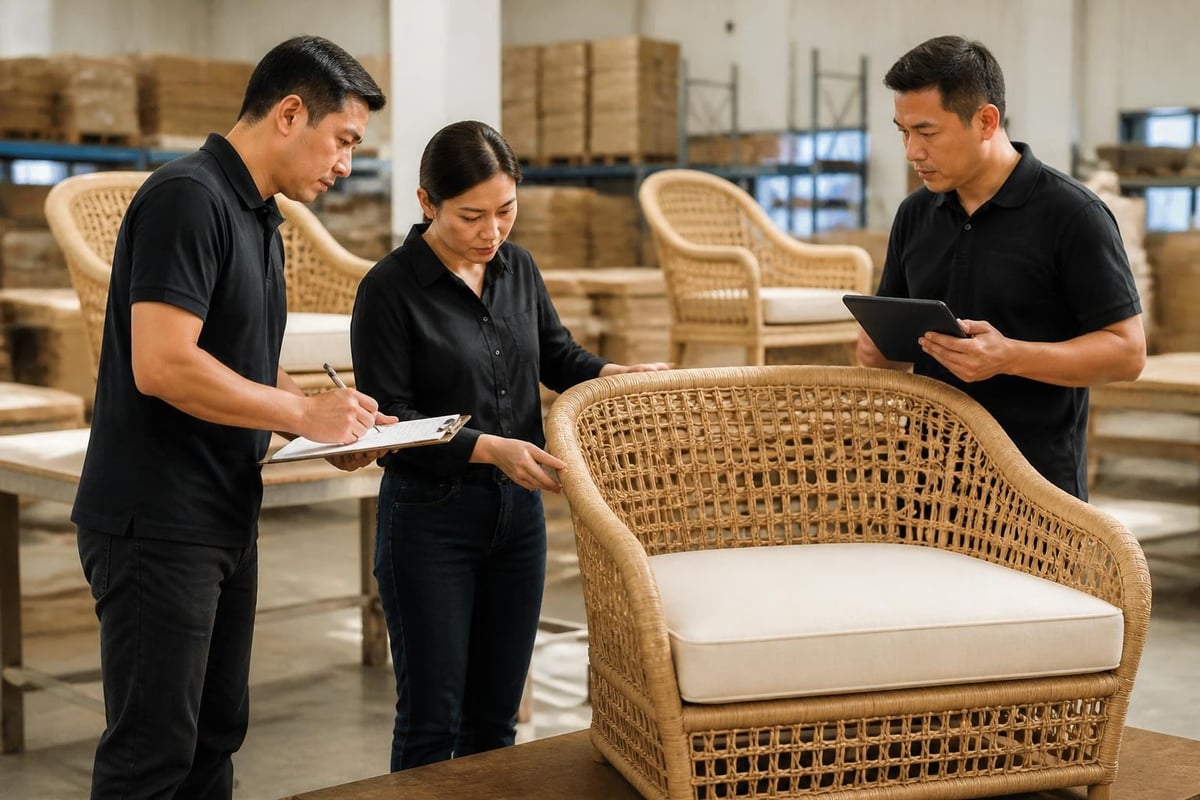
Photographic documentation at each stage creates accountability and provides evidence if disputes arise. Request that suppliers include detailed packing lists with photos of loaded containers.
Building Long-Term Supplier Relationships
The most successful hotel groups view furniture procurement strategically, developing preferred supplier relationships that deliver consistency across multiple properties.
Working with the same rattan furniture supplier for hotels across projects yields several advantages: faster turnaround on repeat orders, negotiated pricing for volume commitments, and familiarity with your brand standards. Suppliers invest more in clients they expect to serve repeatedly, often providing design consultation and customization that wouldn't be feasible for one-off orders.
For properties exploring distinctive natural furniture options, reviewing collections from specialized exporters provides inspiration while revealing supplier capabilities across different product categories, from mirror frames to hampers and baskets that complement larger furniture pieces.
Selecting the right rattan furniture supplier for hotels requires balancing aesthetic vision with practical performance requirements, sustainability credentials, and commercial reliability. The investment in thorough supplier evaluation pays dividends through durable, beautiful pieces that enhance guest experiences while supporting responsible craft traditions. Rattan-Java brings together generations of Javanese artisan expertise with export reliability, offering hospitality clients authentic handwoven rattan furniture that meets international commercial standards while preserving traditional craftsmanship.
Looking for handwoven rattan furniture?
Explore our collections or reach out for wholesale catalog and pricing details.
Continue Reading