 Rattan-Java
Journal
Rattan Furniture Supplier for Interior Designers
September 14, 2026 · 6 min read

Interior designers face unique challenges when sourcing rattan furniture for residential and commercial projects. The right supplier relationship can transform a design vision into reality, while a poor choice can derail timelines, budgets, and client satisfaction. Finding a rattan furniture supplier for interior designers requires evaluating craftsmanship, sustainability credentials, lead times, and the ability to customize pieces that align with your design intent. This guide examines the critical factors professional designers must consider when selecting manufacturing partners for rattan furnishings.
Why Rattan Continues to Define Contemporary Interiors
Rattan has reemerged as a dominant material in hospitality design, residential interiors, and commercial spaces throughout 2026. Its natural warmth, structural versatility, and sustainable profile make it ideal for projects seeking biophilic design elements.
Key advantages designers value:
- Lightweight yet durable construction suitable for frequent layout changes
- Natural variation in tone and weave pattern that adds organic character
- Compatibility with both maximalist and minimalist design schemes
- Inherent sustainability when sourced from responsible growers
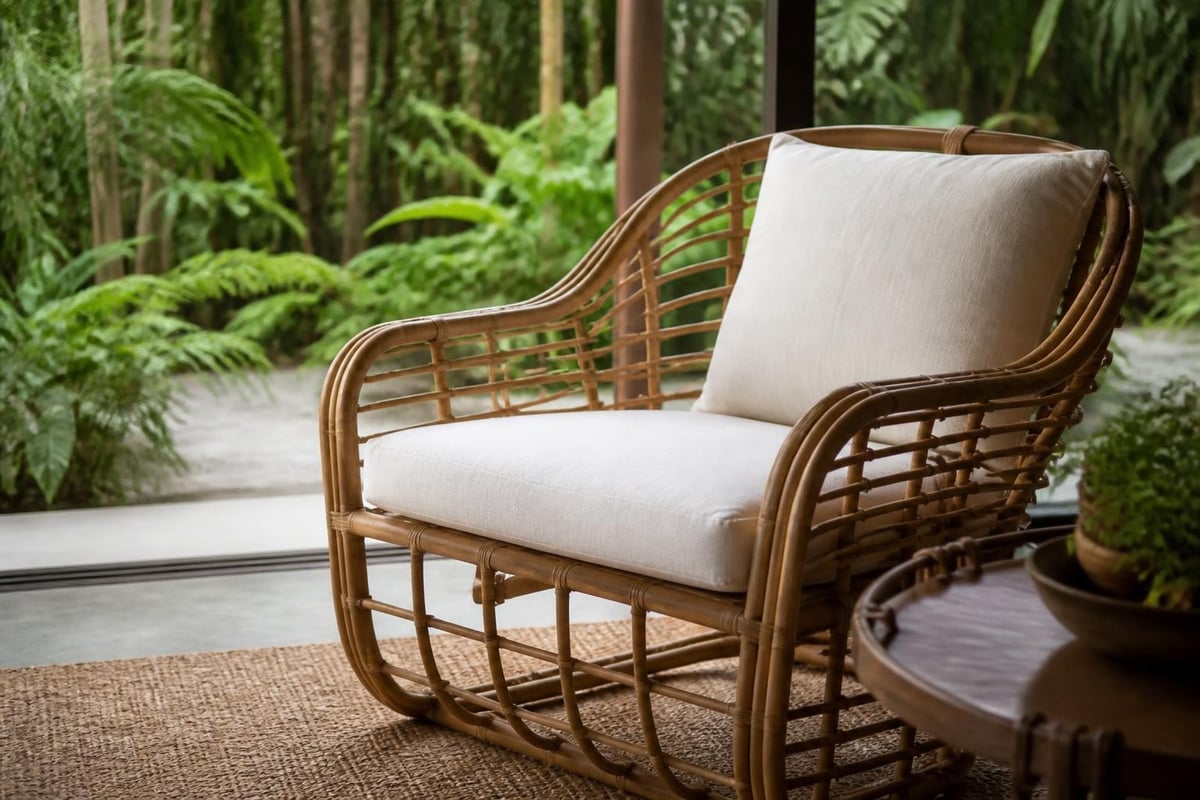
The material's flexibility allows artisans to create complex curves and geometric forms impossible with rigid materials. When designers partner with a rattan furniture supplier for interior designers who understands these technical properties, they gain access to custom solutions that elevate their projects beyond catalog offerings.
Vetting Suppliers for Quality and Consistency
Not all rattan manufacturers deliver the precision interior design projects demand. Your supplier evaluation process should include systematic quality checks and transparency requirements.
Material Sourcing and Treatment Standards
Ask potential suppliers to document their rattan sourcing practices. Premium manufacturers harvest mature canes, properly cure the material to prevent splitting, and apply treatments that resist moisture and insects without compromising indoor air quality. The AIA's Healthier Materials Protocol provides a framework for evaluating material transparency and chemical avoidance in natural-fiber furniture specifications.
Request samples that demonstrate consistency in:
- Weave tightness and uniformity
- Joint construction and fastening methods
- Finish application and coverage
- Dimensional accuracy against specifications
Artisan Skill and Production Capacity
Handwoven rattan furniture relies on generational craftsmanship. Indonesian workshops, particularly those on Java, maintain centuries-old weaving techniques passed through families of artisans. When evaluating a rattan furniture supplier for interior designers, inquire about artisan training programs, workshop conditions, and whether they maintain dedicated teams for custom projects versus production runs.
Production capacity directly impacts your project timelines. A supplier capable of scaling from prototypes to volume orders while maintaining quality standards becomes an invaluable resource for designers managing multiple projects simultaneously.
Customization Capabilities and Design Collaboration
Standard catalog pieces rarely meet the specific dimensions, finishes, or design details that signature interior projects require. The best rattan furniture supplier for interior designers offers genuine customization services, not just minor finish variations.
| Customization Type | Standard Offering | Advanced Capability |
|---|---|---|
| Dimensions | Fixed sizes only | Custom measurements within structural limits |
| Finish Options | 3-5 standard stains | Color matching, custom treatments, mixed finishes |
| Weave Patterns | Single house style | Multiple traditional and contemporary weaves |
| Hybrid Materials | Rattan only | Integration with metal, wood, upholstery, glass |
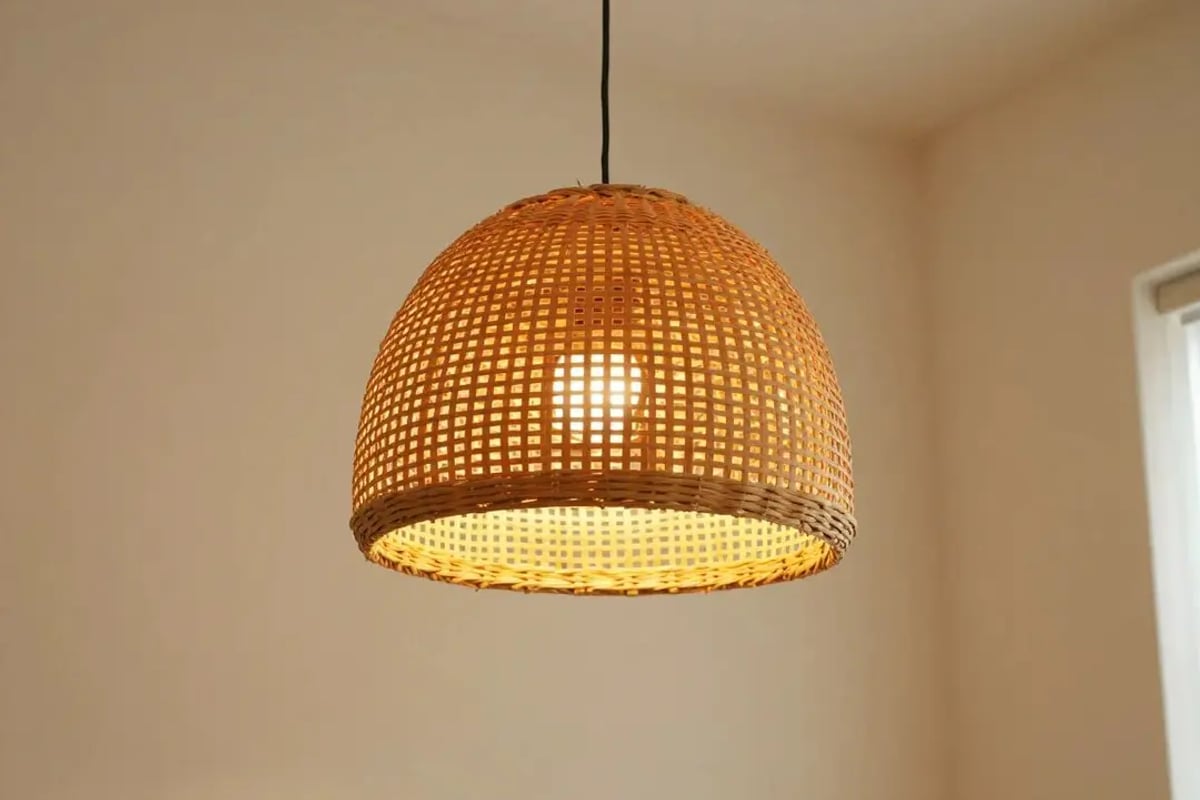
Rattan-Java demonstrates this depth of capability through their diverse product range. Their chair and table sets showcase both traditional Javanese weaving and contemporary silhouettes, while collections like lamp shades and mirror frames illustrate how skilled artisans adapt rattan techniques to varied applications. This versatility allows designers to maintain material consistency across multiple furniture categories within a single project.
Technical Drawing Review and Prototype Process
Professional suppliers should be able to interpret designer-provided technical drawings and translate them into physical samples. Establish clear prototype approval processes that include photography from multiple angles, dimensional verification, and finish samples before committing to production quantities.
Sustainability Documentation and Certifications
Clients increasingly demand verifiable sustainability claims. A qualified rattan furniture supplier for interior designers provides documentation that supports LEED credits, WELL Building Standard requirements, and corporate ESG goals.
The New York School of Interior Design outlines key questions designers should ask manufacturers about Environmental Product Declarations (EPDs), chain-of-custody certification, and material health disclosures. When specifying rattan, request:
- Harvest location and forestry management practices
- Transportation and carbon footprint data
- Finish and adhesive ingredient disclosure
- End-of-life recyclability or biodegradability information

Organizations like About Futures provide practical frameworks for comparing natural fibers and weighing durability against environmental impact, helping designers make informed material selections that balance aesthetics with sustainability performance.
Logistics, Lead Times, and Order Management
International furniture sourcing introduces complexity that can derail project schedules. When selecting a rattan furniture supplier for interior designers, evaluate their logistics infrastructure and communication systems.
Realistic Timeline Expectations
Handcrafted rattan furniture cannot be rushed without quality compromises. Typical timelines from a reputable Indonesian supplier:
- Sample development and approval: 4-6 weeks
- Production for small orders (10-50 pieces): 6-8 weeks
- Production for volume orders (100+ pieces): 10-14 weeks
- International shipping: 4-8 weeks depending on method
- Customs clearance and domestic delivery: 1-2 weeks
Factor these timelines into your project planning and communicate them clearly to clients. Suppliers who promise unrealistic turnarounds often sacrifice quality or substitute inferior materials.
Communication and Problem Resolution
Time zone differences between North American designers and Indonesian manufacturers require suppliers with responsive English-speaking account managers. Establish communication protocols that include regular production updates, photo documentation at key milestones, and clear escalation paths for addressing quality concerns.
Conservation and Care Guidance for Client Education
Rattan furniture requires specific care to maintain its appearance and structural integrity over decades. The Smithsonian Museum Conservation Institute offers technical guidance on wicker and rattan preservation that applies to high-value residential and commercial installations.
Provide clients with care instructions covering:
- Humidity level maintenance (40-60% relative humidity ideal)
- Cleaning methods that preserve finish and fibers
- Protection from direct sunlight and heat sources
- Periodic inspection for loose bindings or stress points
The National Park Service's conservation protocols for wooden objects include preventive care measures applicable to rattan furniture in demanding environments, offering professional-grade guidance you can adapt for client education.
Building Long-Term Supplier Relationships
The most successful designers cultivate ongoing partnerships with a select rattan furniture supplier for interior designers rather than soliciting quotes project-by-project. Long-term relationships yield advantages including priority production scheduling, accumulated knowledge of your design preferences, and collaborative innovation on new product development.
Consider formalizing supplier relationships with preferred vendor agreements that establish quality standards, pricing structures, and mutual expectations. The StopWaste Sustainable Purchasing Guide provides specification language interior design teams can adapt when creating supplier requirements, while Room & Board's published guidelines illustrate how leading brands formalize vendor expectations around materials and sourcing.
Regular communication beyond active projects keeps you informed about new capabilities, seasonal material variations, and capacity changes that might affect future planning. Schedule annual supplier visits when feasible to tour workshops, meet artisan teams, and deepen your understanding of production processes.
Selecting the right rattan furniture supplier fundamentally shapes project outcomes, client satisfaction, and your reputation for delivering distinctive, sustainable interiors. By systematically evaluating craftsmanship, customization capabilities, sustainability credentials, and logistics reliability, designers build supplier partnerships that become competitive advantages. Rattan-Java brings generational Javanese artisan expertise and comprehensive product development capabilities to designers seeking authentic, customizable rattan furnishings for residential, hospitality, and commercial projects worldwide.
Looking for handwoven rattan furniture?
Explore our collections or reach out for wholesale catalog and pricing details.
Continue Reading