 Rattan-Java
Journal
Rattan Table Manufacturer Indonesia: A Complete Guide
September 19, 2026 · 6 min read
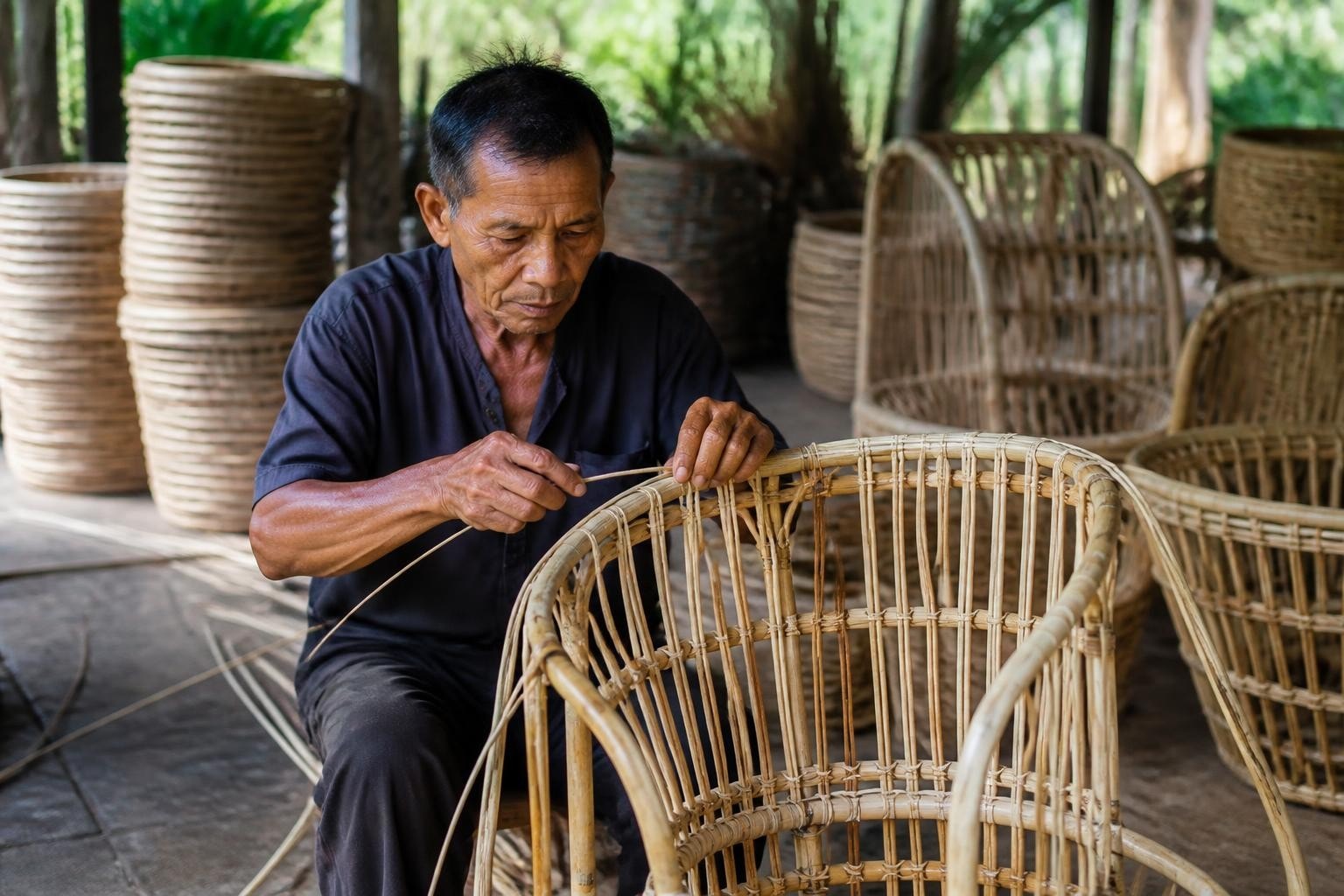
Indonesia has established itself as the world's premier source for rattan furniture, with the country accounting for a significant portion of global rattan exports. When businesses and retailers search for a rattan table manufacturer indonesia, they're tapping into a rich tradition of craftsmanship, sustainable materials, and competitive pricing that has made Indonesian rattan products the gold standard in international markets. This guide explores what makes Indonesian manufacturers unique, how to evaluate potential partners, and why the archipelago nation continues to dominate this specialized sector.
Why Indonesia Dominates Rattan Furniture Manufacturing
Indonesia's position as the leading rattan table manufacturer indonesia stems from several interconnected advantages. The country is home to over 300 rattan species, representing more than half of the world's known varieties. This natural abundance provides manufacturers with direct access to premium raw materials without the logistics costs and supply chain complexity faced by competitors in other regions.
The manufacturing ecosystem extends far beyond raw material availability. Generations of Indonesian artisans have refined weaving techniques passed down through families, creating a deep pool of skilled craftspeople. International trade data shows that Indonesia consistently leads rattan furniture exports, with Java serving as a particularly important production hub.
Sustainability and Resource Management
Modern buyers increasingly prioritize environmental responsibility. Indonesian rattan cultivation offers compelling sustainability credentials that resonate with eco-conscious consumers and retailers. According to the FAO's analysis of non-wood forest products, rattan is a rapidly renewable resource that regenerates without replanting and supports forest ecosystems rather than degrading them.

A reputable rattan table manufacturer indonesia implements sustainable harvesting practices:
- Selective cutting that preserves root systems for regrowth
- Community forest management partnerships with local harvesters
- Certification programs tracking legal and sustainable sourcing
- Waste minimization through full-stem utilization
These practices ensure long-term supply stability while supporting rural livelihoods. Research on global rattan trade emphasizes that sustainable management is critical to maintaining Indonesia's competitive advantage.
Evaluating Manufacturing Capabilities
Not all Indonesian rattan manufacturers offer the same quality, capacity, or reliability. Buyers should assess several critical factors when selecting a partner for rattan furniture from Cirebon, Indonesia or other production centers.
Production Capacity and Specialization
Different manufacturers specialize in different product categories and production scales. Some focus exclusively on outdoor furniture, while others excel at intricate indoor pieces. When sourcing tables specifically, evaluate whether the manufacturer has:
| Capability | What to Look For |
|---|---|
| Design range | Portfolio showing dining tables, coffee tables, side tables in multiple styles |
| Volume capacity | Minimum and maximum order quantities, lead times for bulk orders |
| Customization | Ability to modify dimensions, finishes, and design elements |
| Quality control | Testing protocols, defect rates, inspection processes |
Many buyers benefit from partnering with a rattan table manufacturer indonesia that offers complementary products like chair and table sets, enabling coordinated collections and simplified logistics.
Artisan Skill and Technique Preservation
The quality of handwoven rattan furniture depends entirely on artisan expertise. Export statistics from Statista demonstrate that Indonesian rattan furniture maintains premium pricing in international markets, reflecting the superior craftsmanship that skilled weavers provide.
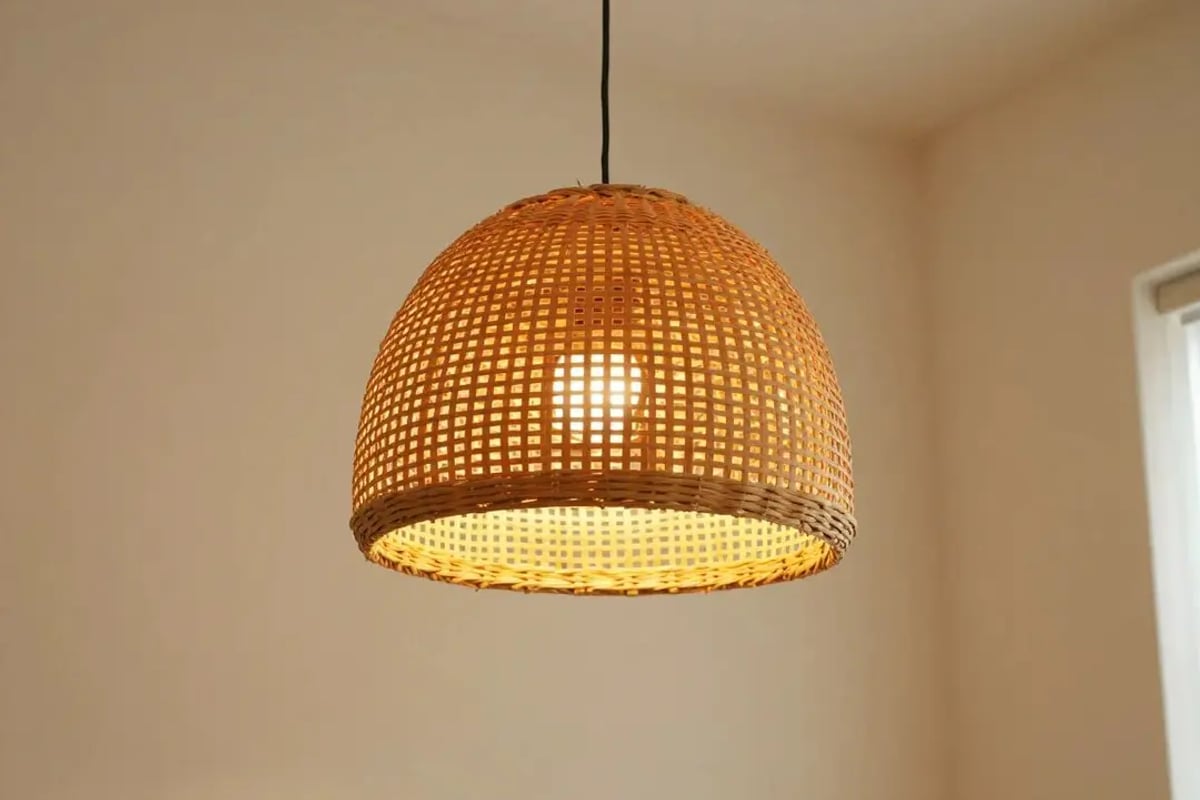
Traditional Javanese weaving techniques create furniture with exceptional durability and aesthetic appeal. Rattan-Java exemplifies this approach, working with generational artisans who have refined their craft over decades. Their table and chair collections showcase the intricate patterns and structural integrity that only experienced hands can achieve.
Quality Standards and Export Compliance
International buyers must ensure their chosen rattan table manufacturer indonesia meets relevant quality and safety standards. Different markets impose specific requirements that manufacturers must navigate successfully.
International Certification Requirements
Professional manufacturers maintain certifications that facilitate smooth customs clearance and meet retailer requirements:
- SVLK (Indonesian Timber Legality Verification System) for legal sourcing
- ISO quality management standards for consistent production
- FSC or equivalent forest certification programs
- Product safety testing for chemical treatments and finishes
These certifications protect buyers from supply chain disruptions and reputational risks. The Indonesian Ministry of Trade regularly updates export requirements and provides guidance on compliance frameworks.
Finishing and Treatment Options
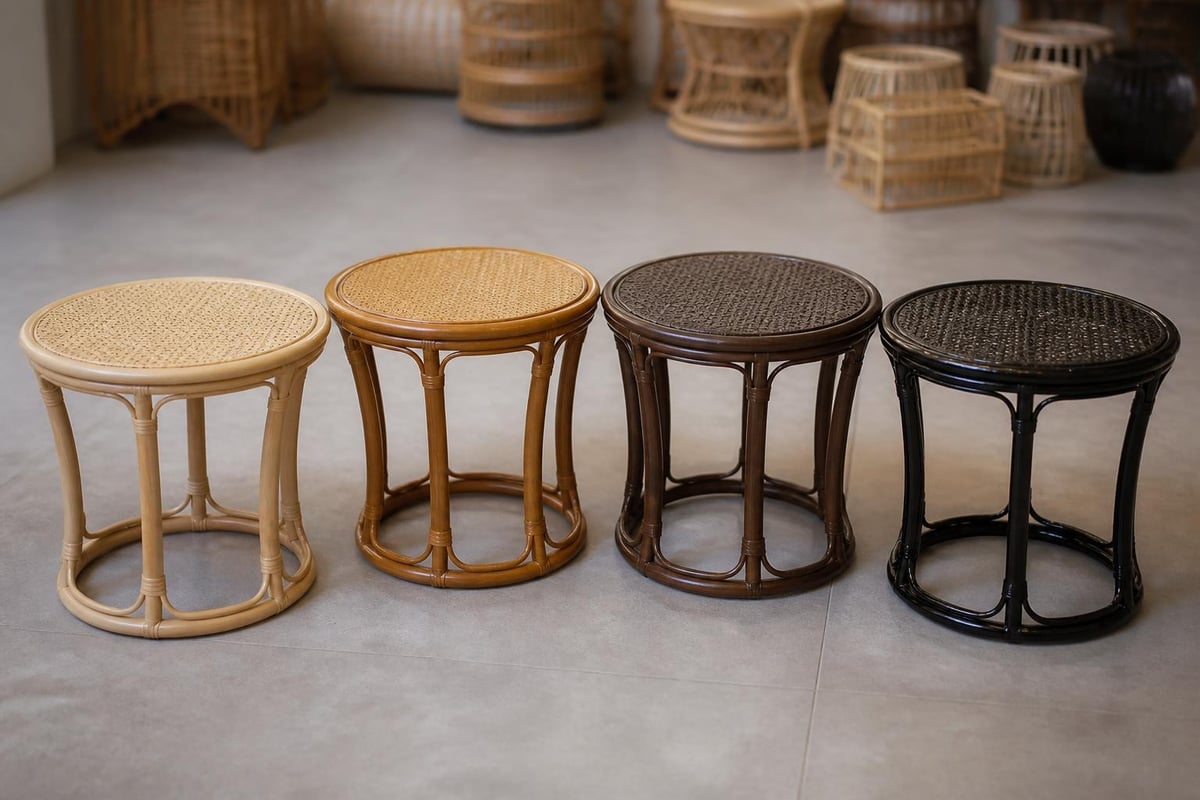
Quality differentiation often occurs in finishing processes rather than basic construction. Advanced manufacturers offer multiple treatment options:
- Natural finishes preserving rattan's organic appearance
- Stained finishes in various wood tones and custom colors
- Lacquered surfaces for enhanced durability and moisture resistance
- UV-protective coatings for outdoor applications
The ITTO market reports note that value-added finishing capabilities increasingly determine price premiums in international markets.
Logistics and Supply Chain Considerations
Working with a rattan table manufacturer indonesia involves international shipping logistics that require careful planning. Successful buyers develop robust supply chain strategies that account for production timelines, container optimization, and seasonal demand fluctuations.
Container Loading and Shipping Efficiency
Rattan furniture's lightweight nature and nestable designs create shipping advantages over comparable wood or metal furniture. However, maximizing container utilization requires manufacturer expertise in:
- Knockdown designs that reduce cubic volume by 60-70%
- Strategic packing using nested stacking and void filling
- Protective packaging preventing transit damage
- Documentation accuracy ensuring smooth customs processing
According to INBAR's trade analysis, Indonesia's well-established export infrastructure provides reliable shipping from major ports in Java to destinations worldwide.
Lead Times and Production Planning
Standard production timelines for custom rattan tables typically range from 60 to 90 days from order confirmation to shipment. Factors influencing lead times include:
| Factor | Typical Impact |
|---|---|
| Order complexity | Custom designs add 2-3 weeks |
| Order volume | Large orders may extend timelines 1-2 weeks |
| Raw material availability | Seasonal variations can add 1 week |
| Finishing requirements | Complex finishes add 1-2 weeks |
| Peak season (Q3-Q4) | Add 1-2 weeks during high-demand periods |
Planning inventory six months ahead helps retailers avoid stockouts during peak selling seasons.
Market Trends and Design Innovation
The rattan furniture industry continues evolving as consumer preferences shift and new markets emerge. Leading Indonesian manufacturers stay competitive by tracking design trends and adapting their offerings accordingly.
Contemporary Design Integration
While traditional woven patterns remain popular, many buyers now seek modern minimalist designs that incorporate rattan elements into contemporary interiors. Progressive manufacturers develop pieces that balance timeless craftsmanship with current aesthetic preferences.
Design innovation includes mixed-material construction combining rattan with metal frames, glass tops, or upholstered elements. These hybrid designs expand market applications and price points while showcasing rattan's versatility.
Emerging Market Opportunities
New geographic markets present growth opportunities for Indonesian manufacturers. Recent export data shows increasing demand from:
- European sustainable design markets prioritizing eco-friendly materials
- North American coastal markets seeking durable outdoor furniture
- Middle Eastern hospitality projects requiring large-scale custom installations
- Australian residential markets valuing tropical aesthetic and climate suitability
Manufacturers with multilingual customer service, international payment capabilities, and experience with diverse regulatory environments can capitalize on these expanding markets. Exploring Rattan-Java's collections reveals how manufacturers diversify beyond tables to accessories and homeware.
Indonesia's combination of natural resources, artisan expertise, and established export infrastructure makes it the logical choice for businesses sourcing quality rattan furniture. Whether you need dining tables, coffee tables, or complete furniture collections, partnering with experienced Indonesian manufacturers ensures access to authentic craftsmanship and competitive pricing. Rattan-Java connects international buyers with generational Javanese artisans who create handwoven rattan products built to last, backed by sustainable sourcing practices and reliable export services that simplify your global supply chain.
Looking for handwoven rattan furniture?
Explore our collections or reach out for wholesale catalog and pricing details.
Continue Reading