 Rattan-Java
Journal
Sustainable Rattan Furniture Manufacturer Guide 2026
September 27, 2026 · 5 min read
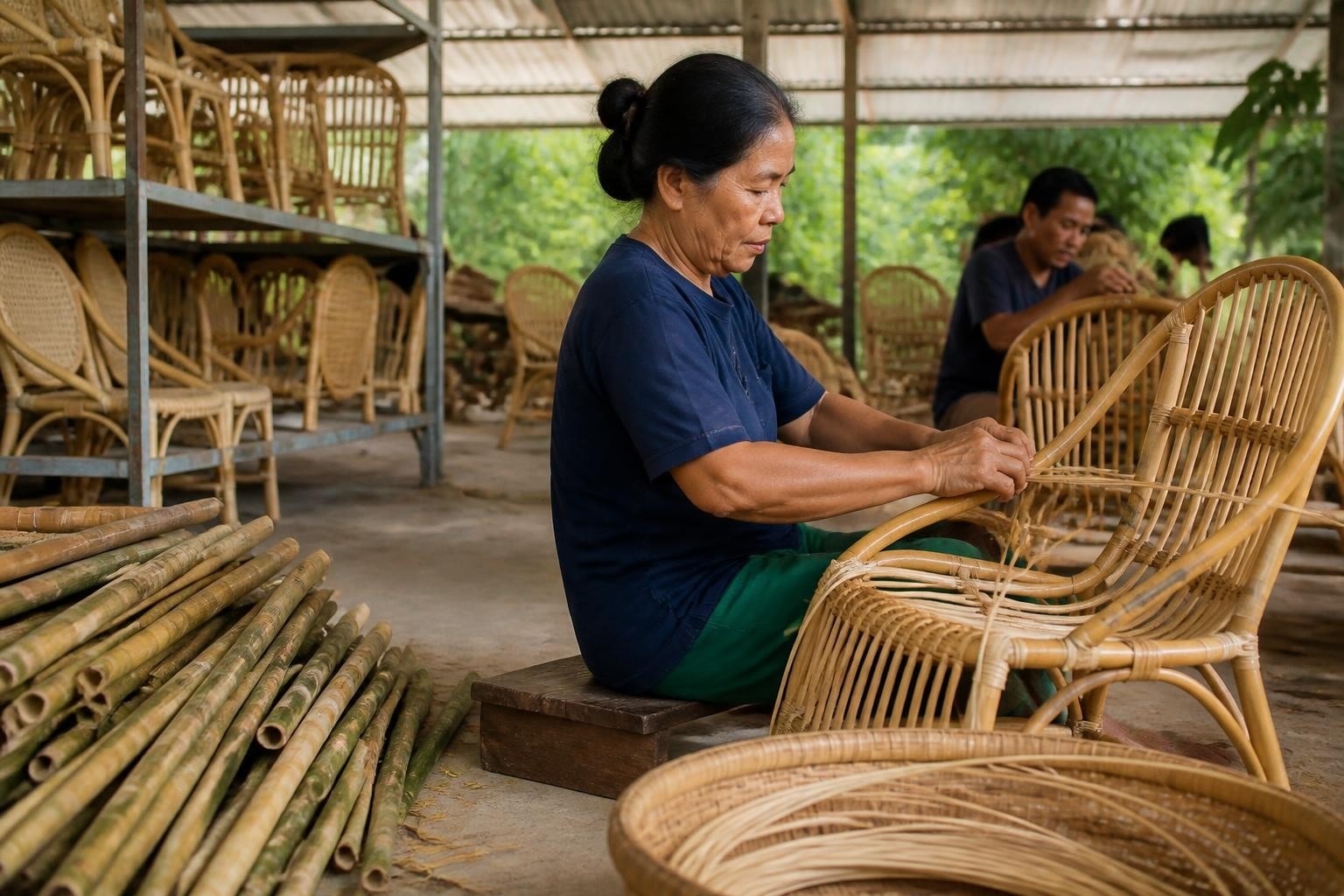
The global furniture industry faces mounting pressure to adopt sustainable practices, and rattan has emerged as a compelling solution. As consumers increasingly demand environmentally responsible products, the role of a sustainable rattan furniture manufacturer has evolved from simple production to comprehensive stewardship of natural resources, traditional craftsmanship, and transparent supply chains. For manufacturers based in traditional rattan-growing regions like Java, Indonesia, this shift represents both a challenge and an opportunity to showcase centuries-old artisan techniques while meeting modern sustainability standards.
Understanding Sustainable Rattan Manufacturing
A sustainable rattan furniture manufacturer operates at the intersection of environmental conservation, social responsibility, and economic viability. Unlike conventional furniture production that relies on slow-growing hardwoods or petroleum-based materials, rattan manufacturing draws on one of nature's fastest-growing renewable resources. The International Bamboo and Rattan Organisation (INBAR) notes that rattan can be harvested every 5-7 years without killing the parent plant, making it inherently regenerative when managed properly.
Core Principles of Sustainability
Manufacturers committed to sustainability must address three interconnected dimensions:
- Environmental stewardship: Sourcing from managed forests, minimizing waste, avoiding harmful chemicals
- Social equity: Fair wages, safe working conditions, preserving artisan knowledge
- Economic resilience: Building supply chains that support local communities long-term
The bio-based materials framework outlined by the Ellen MacArthur Foundation positions rattan within circular economy principles, where materials cycle through use, reuse, and eventual biodegradation rather than ending as landfill waste.
Certification and Traceability Standards
Third-party verification has become essential for any sustainable rattan furniture manufacturer seeking to demonstrate credibility in global markets. The ROLES (Rotan Lestari) standard offers a participatory guarantee system specifically designed for rattan, covering legality, environmental impact, and social criteria throughout the supply chain.
| Certification Aspect | Key Requirements | Manufacturer Benefit |
|---|---|---|
| Source Legality | Documented harvest permits, land rights | Market access, reduced risk |
| Environmental | No endangered species, forest management plans | Long-term material security |
| Social | Fair wages, no child labor, worker safety | Artisan retention, quality |
| Traceability | Chain of custody from forest to export | Premium pricing, brand trust |
When IUCN Netherlands announced the launch of the sustainable rattan label, it marked a turning point in industry accountability. Manufacturers adopting these standards gain competitive advantages in markets where buyers increasingly require documented sustainability credentials.
Implementing Traceability Systems
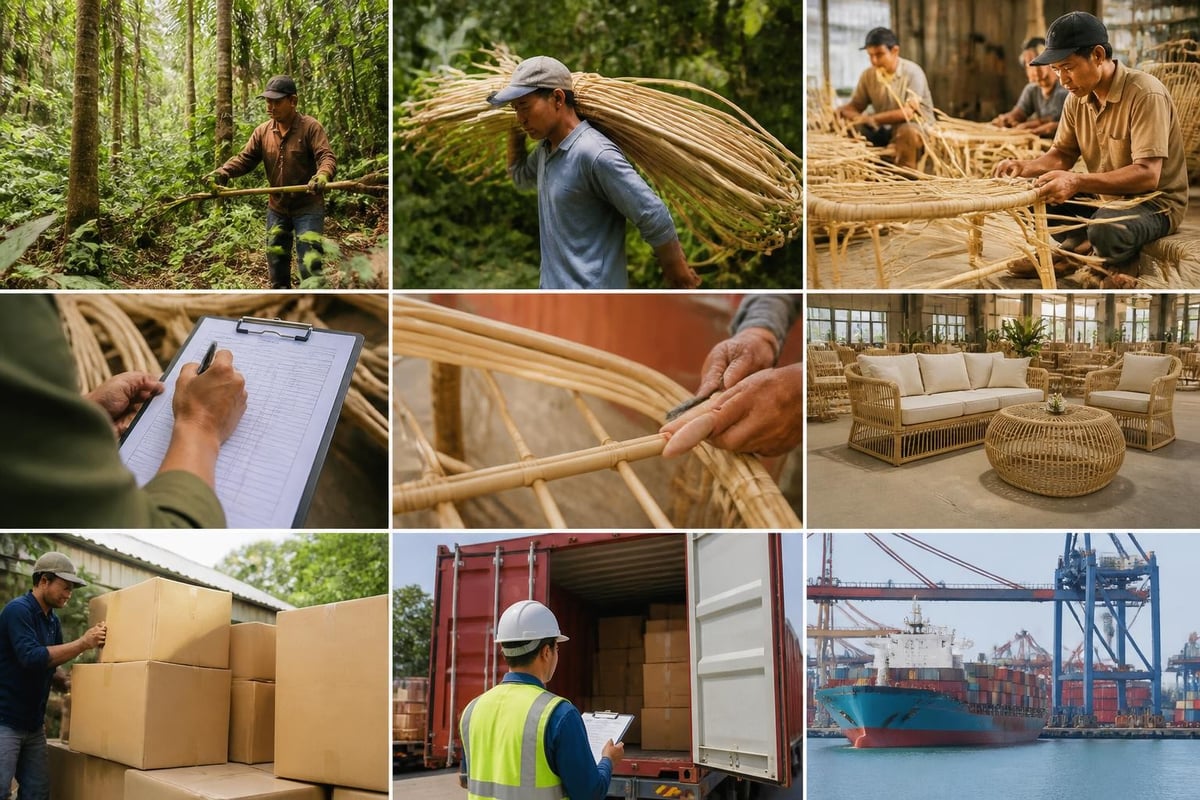
Modern sustainable rattan furniture manufacturers implement tracking mechanisms that document each product's journey. This includes GPS coordinates of harvest sites, dates of collection, artisan identification, and processing records. Digital tools and simple lot-coding systems make this feasible even for smaller workshops, ensuring that rattan furniture from regions like Cirebon can be traced back to its origin.
Artisan Craftsmanship and Knowledge Preservation
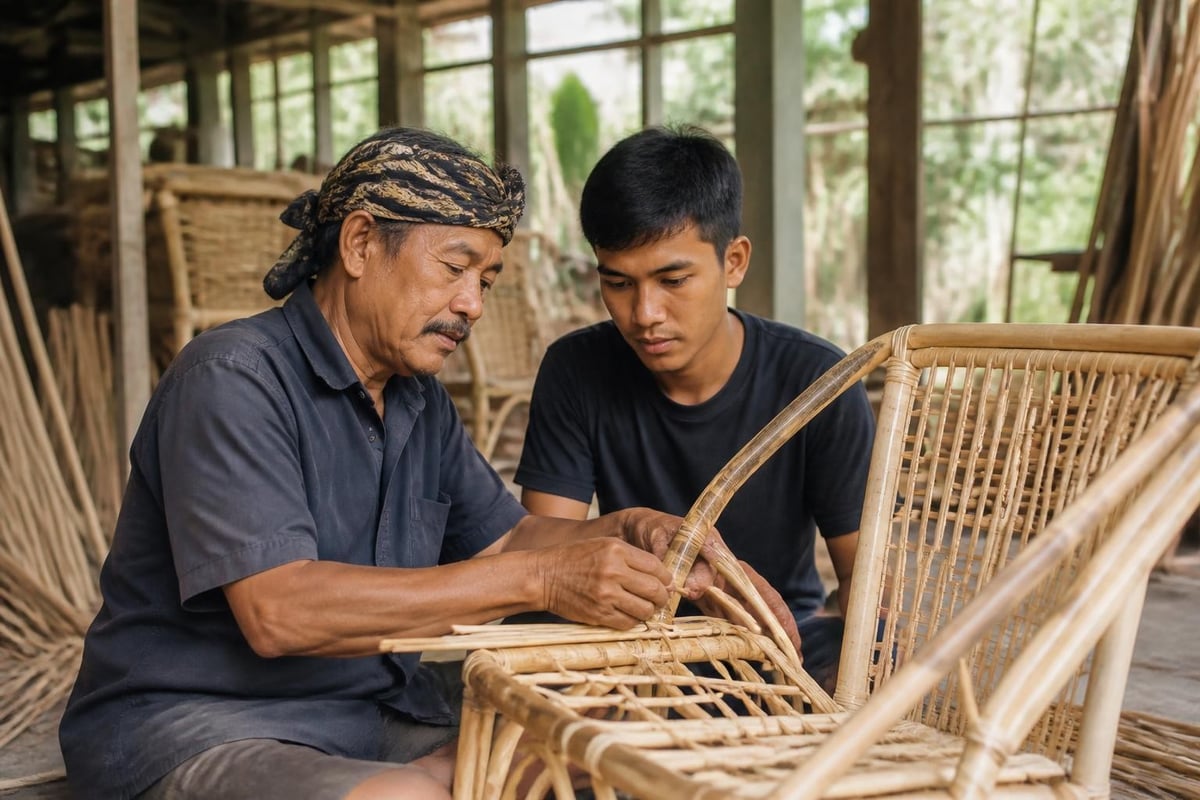
The "sustainable" designation extends beyond environmental metrics to encompass cultural sustainability. Javanese rattan artisans possess generations of accumulated knowledge about material selection, weaving techniques, and finishing methods that cannot be replicated by industrial processes.
A sustainable rattan furniture manufacturer invests in training programs that transfer skills to younger generations while respecting traditional methods. This approach ensures continuity of craft expertise while allowing innovation in design and application.
Benefits of preserving artisan methods:
- Superior quality through hand-selection of materials
- Customization capability for unique designs
- Lower carbon footprint compared to mechanized production
- Economic support for rural communities
- Cultural heritage preservation
The handwoven products from skilled artisans, including items like mirror frames, chair and table sets, and lamp shades, demonstrate the exceptional quality achievable through traditional techniques combined with sustainable sourcing practices.

Environmental Impact Assessment
Leading sustainable rattan furniture manufacturers conduct life-cycle assessments to quantify their environmental footprint. Research published in peer-reviewed studies demonstrates that rattan furniture typically exhibits lower carbon emissions, reduced water consumption, and minimal toxic chemical use compared to conventional furniture materials.
Carbon Footprint Reduction Strategies
Manufacturing facilities can reduce emissions through several targeted interventions:
- Solar drying instead of fuel-powered kilns
- Natural oil finishes rather than synthetic lacquers
- Optimized shipping containers to minimize transport emissions
- Local sourcing to reduce material transportation distances
The European Commission's ecodesign research provides methodological frameworks manufacturers can adapt to identify environmental hotspots in their production processes and prioritize improvements.
Market Positioning and Export Considerations
For sustainable rattan furniture manufacturers based in Indonesia, international markets present significant opportunities. North American and European buyers increasingly prioritize sustainability certifications when selecting suppliers, creating premium price potential for verified sustainable products.
Key export market requirements:
- Documentation of sustainable sourcing practices
- Compliance with importing country regulations (CITES, EUTR, Lacey Act)
- Quality consistency across shipments
- Transparent communication about production methods
International partnerships between organizations like FAO and INBAR are creating policy support and development programs that help manufacturers access technical assistance and market intelligence.
Quality Control and Product Innovation
Sustainability and quality reinforce each other in rattan manufacturing. Properly harvested rattan at optimal maturity produces stronger, more durable furniture. A sustainable rattan furniture manufacturer implements quality checkpoints throughout production, from raw material inspection through final finishing.
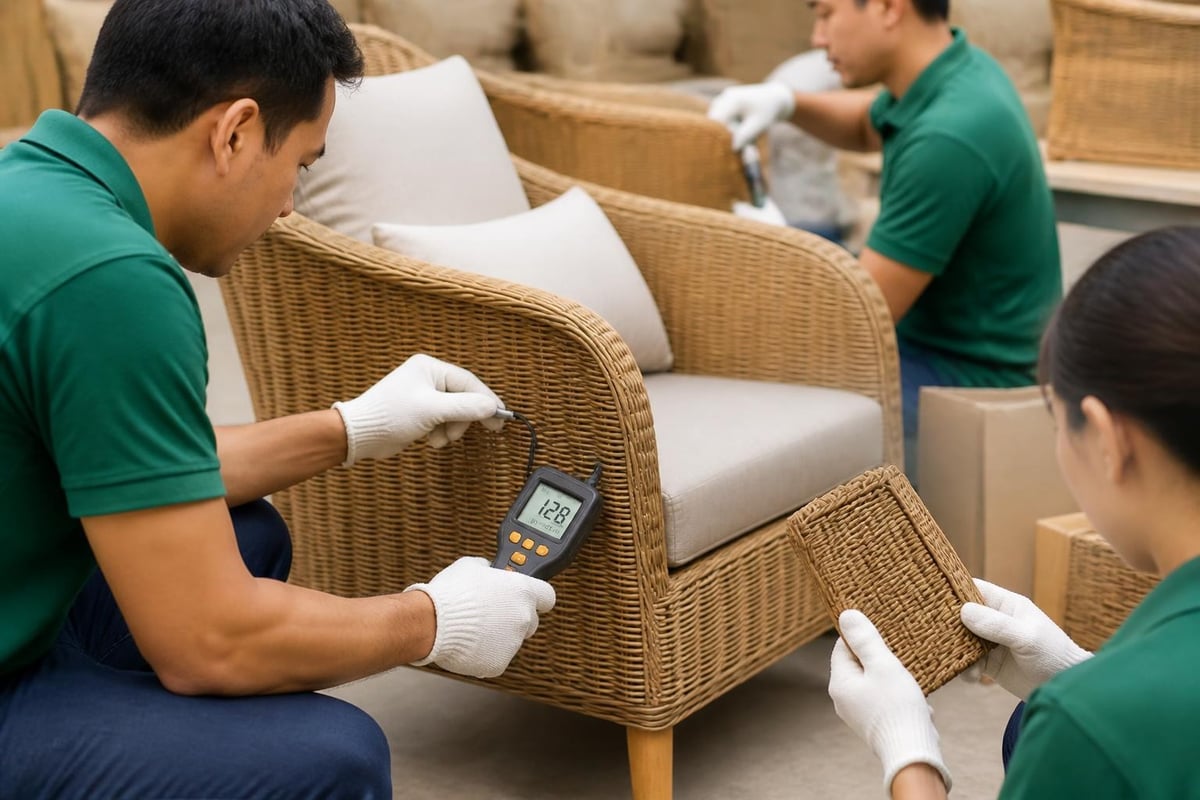
Innovation opportunities exist in combining traditional rattan weaving with contemporary design aesthetics, exploring new product categories like hampers and baskets, and developing modular furniture systems that extend product lifespan through repairability.
Durability as Sustainability
Products designed for longevity reduce environmental impact by avoiding frequent replacement. Rattan furniture properly crafted from quality materials can serve households for decades, contrasting sharply with disposable furniture culture. Manufacturers should educate buyers on proper care and offer repair services to maximize product lifespan.
Building Transparent Supply Chains
Transparency has evolved from a marketing advantage to a market requirement. A sustainable rattan furniture manufacturer must document and communicate the entire value chain, from forest to final customer. This includes partnerships with rattan collectors, processing facilities, artisan workshops, and logistics providers.
Blockchain and digital platforms are making supply chain transparency more accessible, but even basic documentation systems significantly improve accountability. Regular supplier audits, photographic documentation of production facilities, and third-party verification create credibility with international buyers.
Sustainable rattan furniture manufacturing represents the convergence of environmental responsibility, cultural preservation, and commercial viability in 2026's evolving furniture industry. By implementing certification systems, preserving artisan traditions, and maintaining transparent supply chains, manufacturers can meet growing global demand while protecting the natural and cultural resources that make rattan furniture exceptional. Rattan-Java brings together generations of Javanese artisan expertise with documented sustainable sourcing practices, offering importers and retailers access to handwoven rattan furniture that meets both quality and sustainability standards for today's conscious consumers.
Looking for handwoven rattan furniture?
Explore our collections or reach out for wholesale catalog and pricing details.
Continue Reading