 Rattan-Java
Journal
Wholesale Rattan Chairs Indonesia: Sourcing Guide 2026
September 16, 2026 · 4 min read
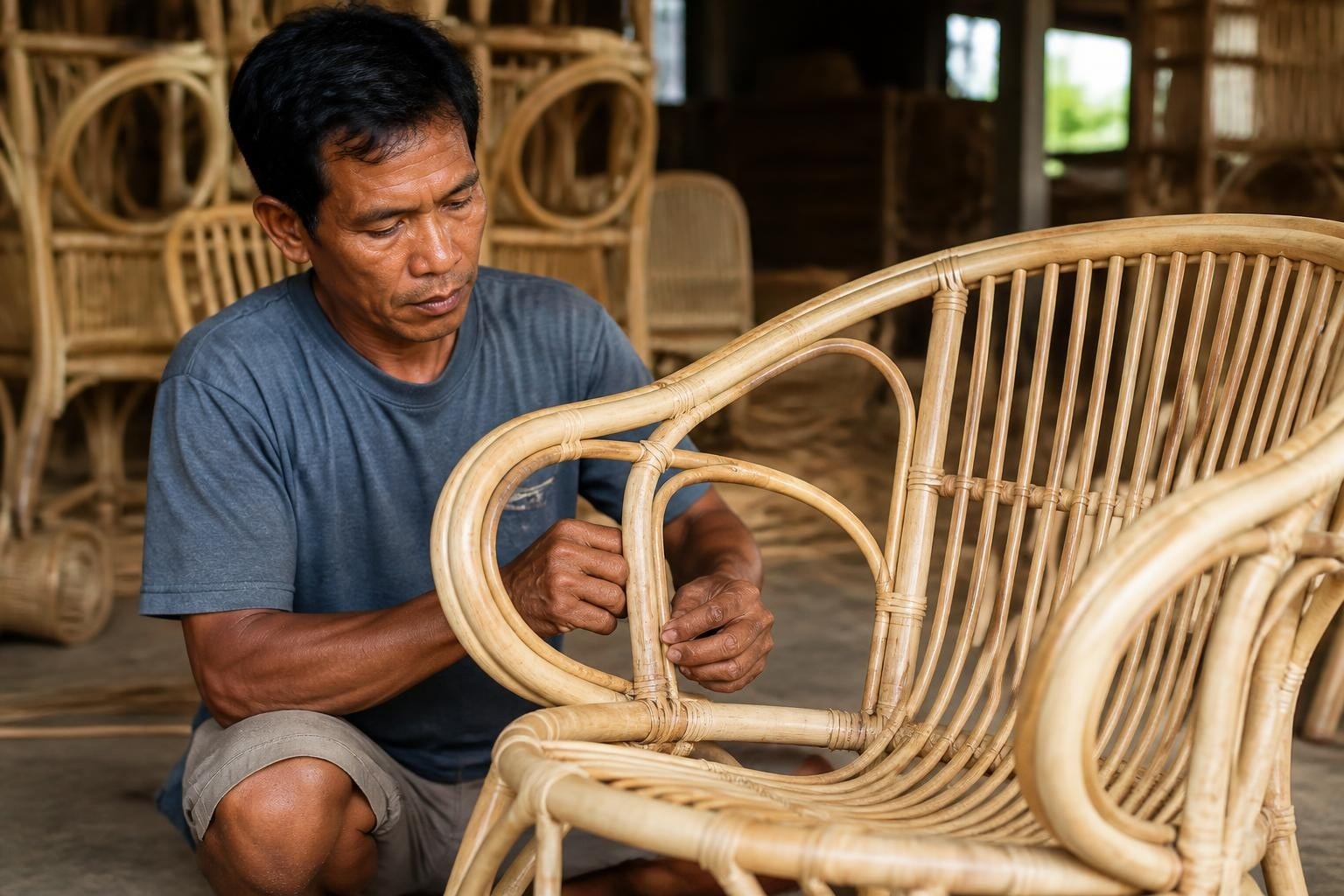
Indonesia has established itself as the global epicenter for wholesale rattan chairs, combining centuries-old artisan traditions with sustainable forestry practices and competitive pricing. For retailers, interior designers, and hospitality buyers seeking authentic, handcrafted seating solutions, understanding the Indonesian rattan furniture market provides significant competitive advantages in 2026.
Why Indonesia Dominates the Wholesale Rattan Chair Market
Indonesia's position as the world's leading rattan exporter stems from several interconnected factors that create an unmatched value proposition for wholesale buyers.
Natural Resource Abundance
The Indonesian archipelago contains over 300 rattan species, representing approximately 85% of the world's rattan supply. This natural advantage means wholesale rattan chairs Indonesia originate from sustainable, locally-sourced materials that minimize transportation costs and environmental impact. According to the International Bamboo and Rattan Organisation, Indonesia exported over $200 million in rattan products in 2022, with seating furniture representing the largest category.
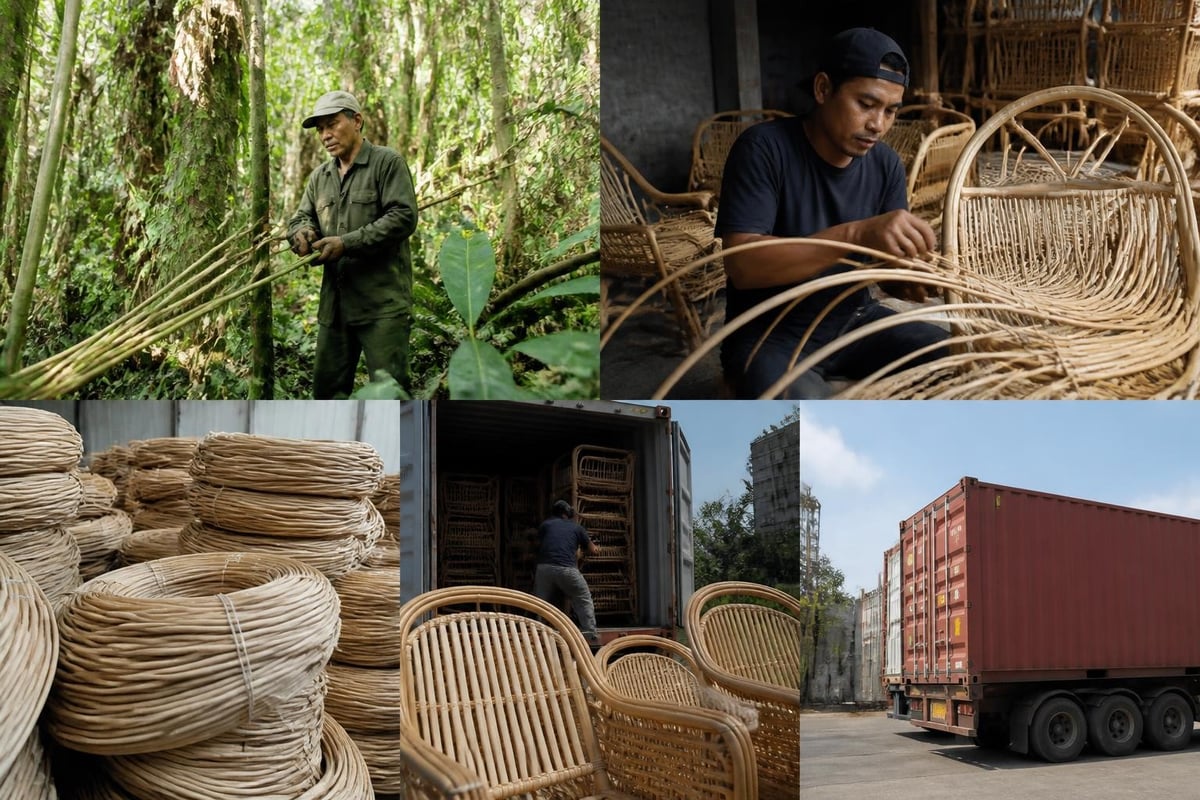
The FAO's guidance on non-wood forest products highlights how Indonesia's community-based forestry systems ensure both sustainability and economic development. This creates a reliable supply chain for wholesale buyers seeking consistent quality and volume.
Generational Artisan Expertise
Java, Kalimantan, and Sulawesi house communities where rattan weaving skills pass through generations. These artisans master techniques that machines cannot replicate, creating chairs with superior durability and aesthetic appeal. The Ministry of Trade actively supports small and medium enterprises in the furniture sector to enhance export capabilities.
Key artisan capabilities include:
- Complex weaving patterns requiring 15-20 years to master
- Custom design adaptation based on international market trends
- Quality control through hands-on inspection at every production stage
- Finishing techniques that enhance weather resistance and longevity
Quality Standards for Wholesale Rattan Chairs
Professional buyers must understand the grading systems and quality benchmarks that distinguish premium wholesale rattan chairs Indonesia from inferior products.
International Grading Systems
The ISO 23067:2022 standard provides the official framework for rattan classification, covering diameter consistency, moisture content, color uniformity, and structural integrity. Wholesale buyers should request compliance documentation to ensure product quality.
| Grade | Diameter Variation | Defect Rate | Recommended Use |
|---|---|---|---|
| A | ±2mm | <5% | High-end retail, hospitality |
| B | ±4mm | 5-10% | Mid-market retail |
| C | ±6mm | 10-15% | Budget furniture, accessories |
Sustainability Certifications
Beyond basic quality, sustainability certifications add value for environmentally-conscious markets. The ROLES Participatory Guarantee System offers community-based certification for Indonesian rattan products, verifying sustainable harvesting practices and fair labor conditions.
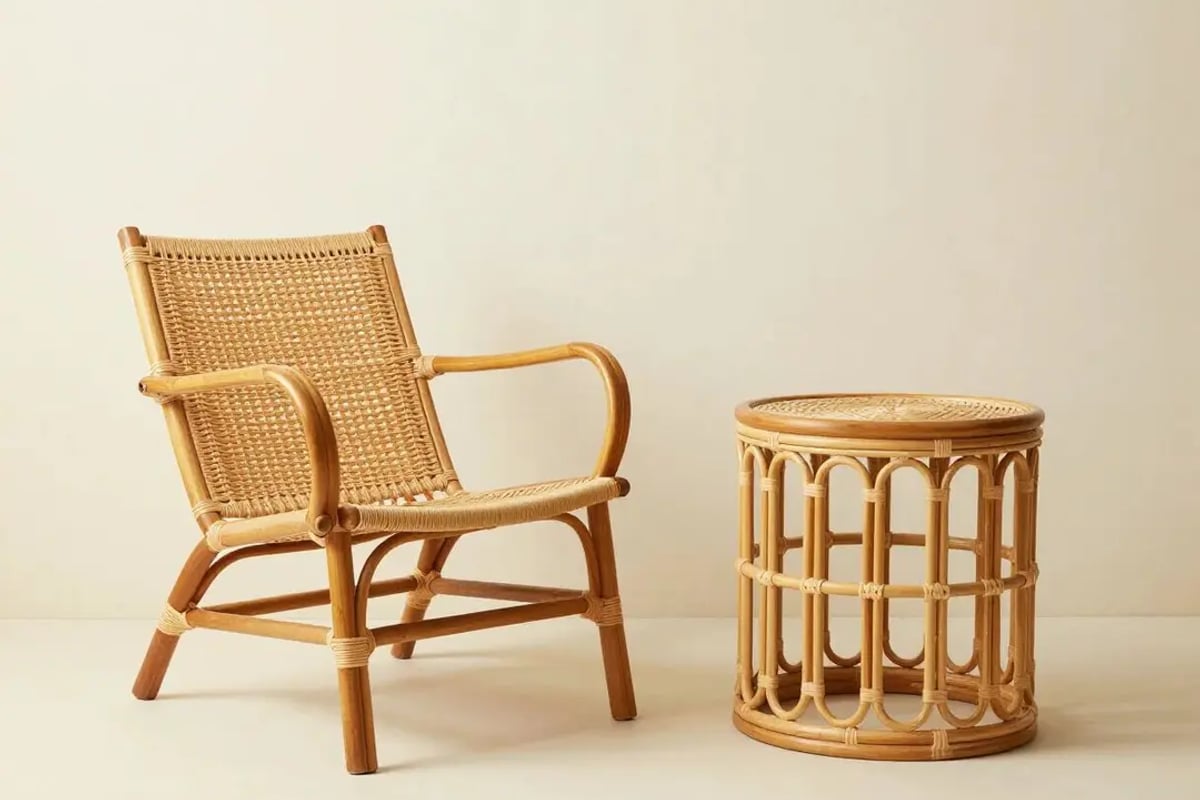
When sourcing chair and table sets, buyers should verify that suppliers adhere to sustainable forestry principles and provide transparent supply chain documentation.
Pricing Structures and Minimum Order Quantities
Understanding cost factors enables buyers to negotiate effectively and plan inventory investments in wholesale rattan chairs Indonesia.
Price Determinants
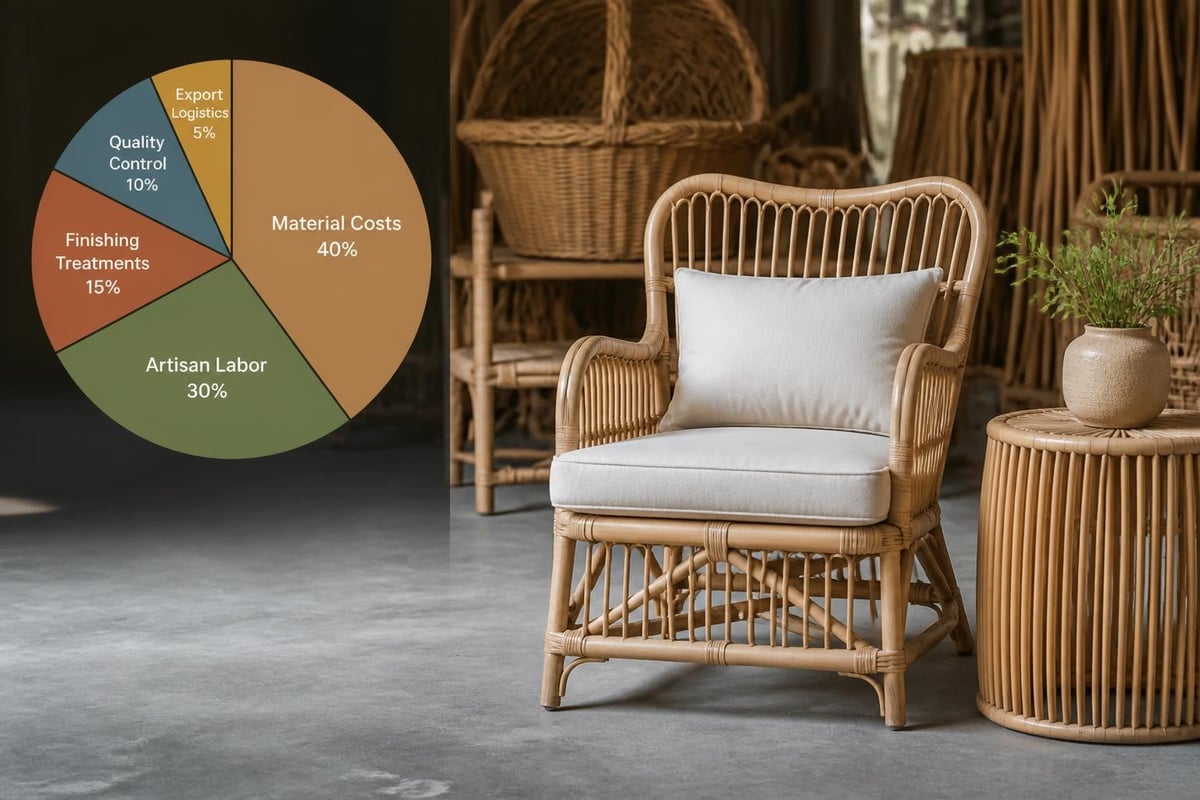
Several variables influence wholesale pricing:
- Rattan grade and species: Premium Manau rattan commands 40-60% higher prices than standard varieties
- Design complexity: Intricate weaving patterns increase labor costs proportionally
- Finishing requirements: Weatherproofing treatments add $5-15 per chair
- Order volume: Economies of scale typically begin at 100-unit orders
- Customization level: Original designs versus catalog selections
Typical MOQ Expectations
Most Indonesian manufacturers set minimum order quantities based on production efficiency and shipping economics:
- Small workshops: 50-100 chairs per design
- Medium exporters: 200-500 chairs per container
- Large manufacturers: 1,000+ chairs for custom specifications
The Trade Map database provides detailed export statistics that help buyers benchmark pricing against current market rates.
Sourcing Strategies for Retail and Hospitality Buyers
Successful procurement requires understanding supplier capabilities, communication protocols, and quality assurance processes.
Direct Manufacturer Relationships
Working directly with Indonesian exporters eliminates intermediary markups, typically reducing costs by 25-40%. Key considerations include:
- Production capacity verification: Request facility tours or video documentation
- Sample evaluation: Order 5-10 sample chairs before committing to full containers
- Payment terms: LC (Letter of Credit) remains standard for first-time transactions
- Lead times: Typical production cycles span 45-90 days depending on order complexity
Exploring diverse product categories like mirror frames and hampers and baskets from the same supplier can optimize shipping costs and strengthen supplier relationships.
Quality Assurance Protocols
Implement these verification steps:
- Pre-production samples with exact specifications
- Third-party inspection services before shipment
- Moisture meter readings (12-15% optimal)
- Load testing for structural integrity (minimum 150kg capacity)
- Photographic documentation of finished goods
Market Trends Shaping Wholesale Demand
The wholesale rattan chairs Indonesia market continues evolving based on global design preferences and sustainability requirements.
Design Innovation
Contemporary buyers increasingly seek fusion designs that blend traditional Indonesian craftsmanship with modern aesthetics. Popular trends for 2026 include:
- Minimalist Scandinavian-influenced frames with traditional weaving
- Bold geometric patterns for statement pieces
- Natural finish chairs paired with powder-coated metal bases
- Modular designs allowing configuration flexibility
Sustainability as Standard
The WWF's global rattan trade analysis emphasizes growing consumer demand for verified sustainable sourcing. Retailers report that sustainability certifications increase sellability by 30-50% in European and North American markets.
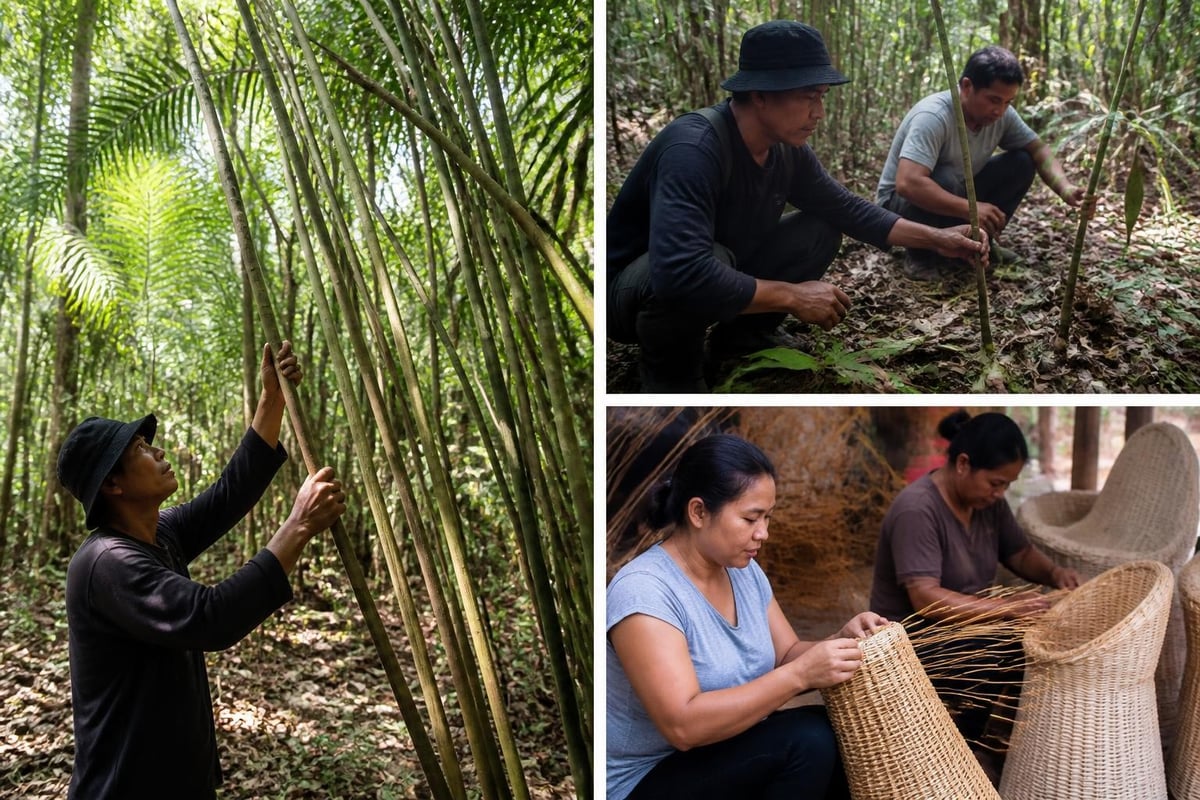
Buyers can explore the full range of sustainable products at the Rattan-Java collections, where traditional techniques meet contemporary design requirements.
Wholesale rattan chairs from Indonesia offer unmatched quality, sustainability, and value for discerning buyers in 2026. The combination of abundant natural resources, generational artisan expertise, and competitive pricing creates compelling opportunities for retail and hospitality procurement. Rattan-Java connects global buyers with authentic Javanese craftsmanship, providing handwoven rattan furniture that meets international quality standards while supporting sustainable forestry and artisan communities. Contact us to discuss your wholesale requirements and discover how our expertise can enhance your product offerings.
Looking for handwoven rattan furniture?
Explore our collections or reach out for wholesale catalog and pricing details.
Continue Reading