 Rattan-Java
Journal
Wholesale Rattan Lampshades: A Buyer's Guide for 2026
September 22, 2026 · 6 min read
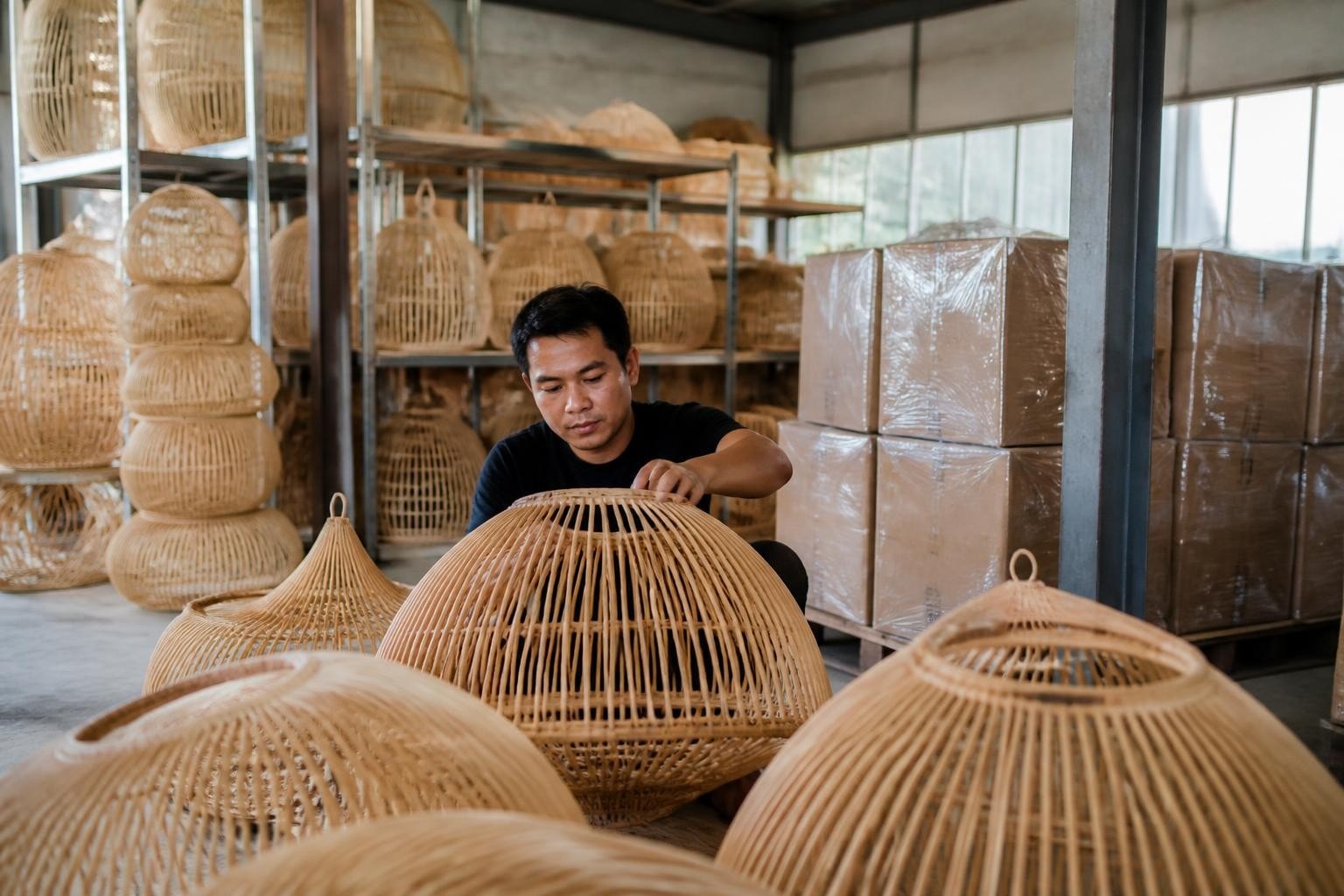
The global market for natural, handcrafted home furnishings continues to expand as consumers seek sustainable alternatives to mass-produced décor. Wholesale rattan lampshades have emerged as particularly sought-after items, combining artisanal craftsmanship with functional lighting solutions that complement contemporary, bohemian, and coastal interior design styles. For retailers, interior designers, and hospitality buyers, understanding the sourcing landscape, quality benchmarks, and import logistics is essential to building a profitable product line that meets both aesthetic and regulatory standards.
Understanding the Wholesale Rattan Lampshade Market
Rattan lampshades occupy a unique position in the lighting and home-décor sectors. Unlike metal or glass fixtures, these woven pieces introduce organic texture and warmth while remaining lightweight and versatile.
Material Sourcing and Sustainability
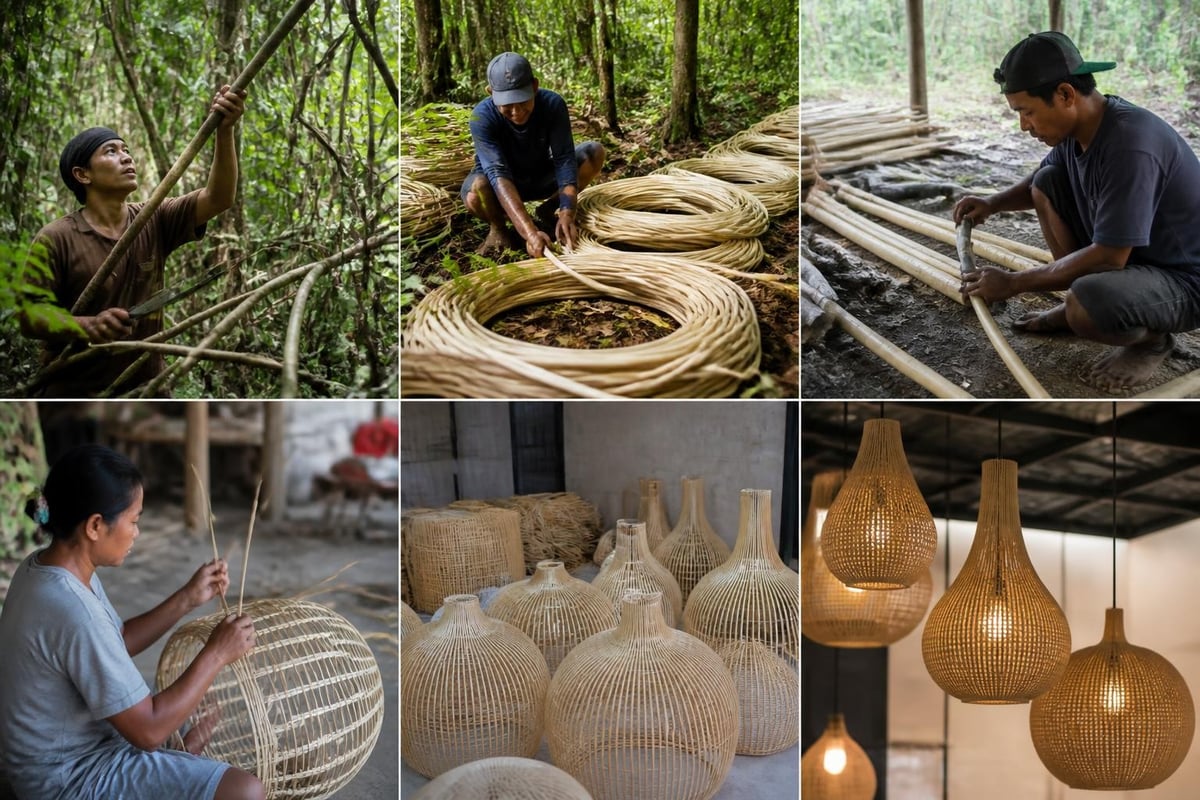
Authentic rattan originates from climbing palms native to tropical Asia, Africa, and the Pacific. The FAO technical overview of rattan details how proper harvesting practices maintain forest ecosystems while supporting rural economies. When evaluating wholesale suppliers, verify that their rattan is harvested from sustainably managed sources rather than illegally logged forests.
Key sustainability indicators include:
- Certification from forest stewardship programs
- Transparent supply-chain documentation
- Long-term relationships with harvesting communities
- Processing methods that minimize chemical use
Indonesia, particularly Java, has maintained artisan weaving traditions for generations. Suppliers like Rattan-Java connect international buyers directly with skilled craftspeople who transform raw rattan into finished lampshades using time-honored techniques.
Design Variations and Popular Styles
Wholesale rattan lampshades span multiple aesthetic categories. Pendant styles dominate the market, ranging from tight basket weaves to open lattice patterns. Drum shades suit table lamps, while oversized statement pieces anchor dining areas and entryways.
| Style Category | Common Sizes | Typical Applications | Price Range (FOB) |
|---|---|---|---|
| Pendant basket | 25-40 cm diameter | Kitchen islands, clusters | $12-28/unit |
| Drum shade | 30-45 cm diameter | Table/floor lamps | $15-35/unit |
| Bell/dome | 35-60 cm diameter | Dining, foyer | $22-50/unit |
| Oversized statement | 60+ cm diameter | Commercial, hospitality | $45-120/unit |
Buyers should consider their target market's preferences. Coastal regions favor lighter, more open weaves, while urban boutiques often stock tighter, more structured designs. The Maison&Objet Barometer tracks emerging trends in natural-material lighting, offering valuable insights for inventory planning.
Quality Assessment and Supplier Evaluation
Not all wholesale rattan lampshades meet the standards required for retail success. Rigorous quality control separates premium suppliers from budget alternatives that may generate returns and damage your brand reputation.
Construction Quality Benchmarks
Inspect samples for consistent weave tension, secure joinery at structural points, and smooth finishing. Premium pieces feature:
- Uniform rattan strands without splitting or discoloration
- Reinforced mounting hardware rated for the shade's weight
- Clean edges with tucked or bound ends
- Stable framework that maintains shape during shipping
Request detailed photographs of lampshade interiors, mounting points, and connection hardware. Many defects only become apparent when examining how components attach to electrical fittings.
Electrical Safety and Compliance
While the rattan shade itself is non-electrical, the complete assembly must meet safety standards in your target markets. The UL Solutions lighting safety testing page outlines certification requirements for luminaires sold in North America.
Critical compliance considerations:
- Heat tolerance near bulb contact points
- Flammability ratings for woven materials
- Proper labeling with wattage limitations
- UL or ETL certification for complete fixtures
Work with suppliers who understand these requirements and can provide test reports. Rattan's natural properties make it combustible, so lampshades must maintain adequate clearance from heat sources and include appropriate warnings.
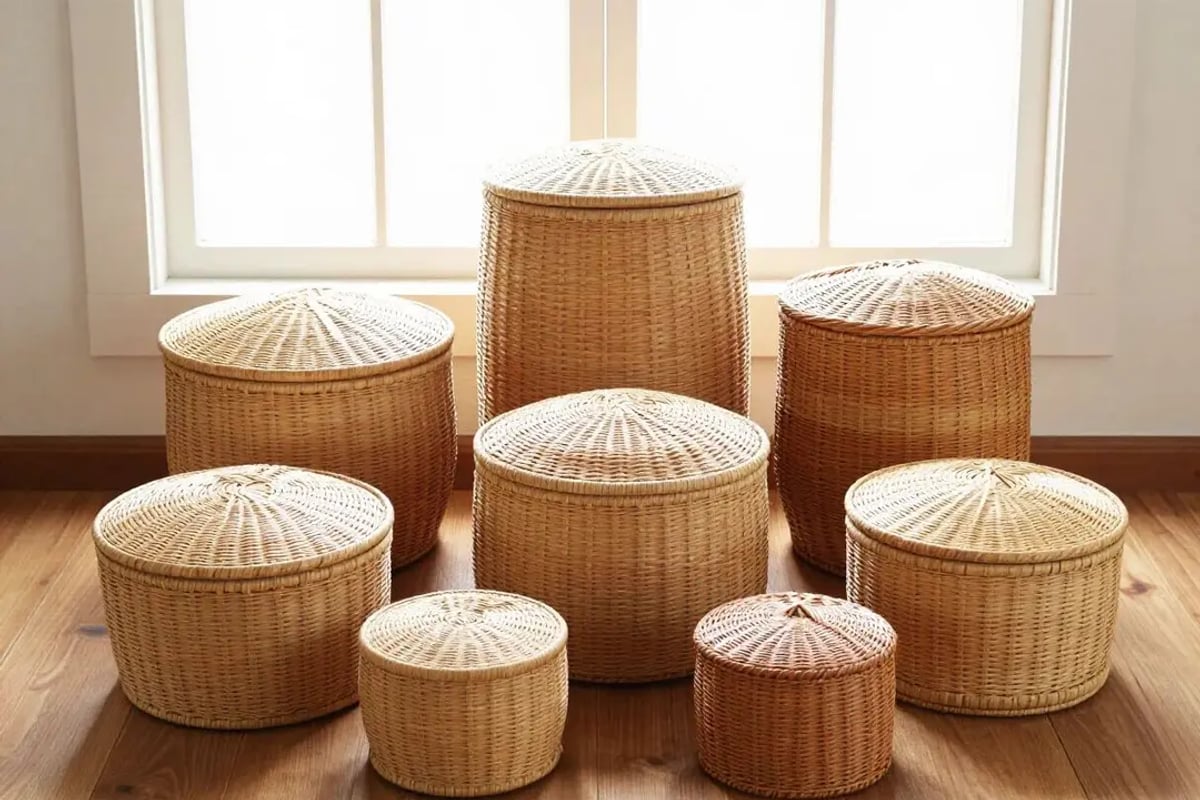
For businesses looking to expand beyond lighting, many Indonesian exporters offer complementary product lines. Rattan-Java's lamp shade collection showcases the range possible from skilled artisans, while their broader catalog includes coordinating pieces like mirror frames and hampers that help retailers build cohesive natural-material assortments.
Import Logistics and Cost Structures
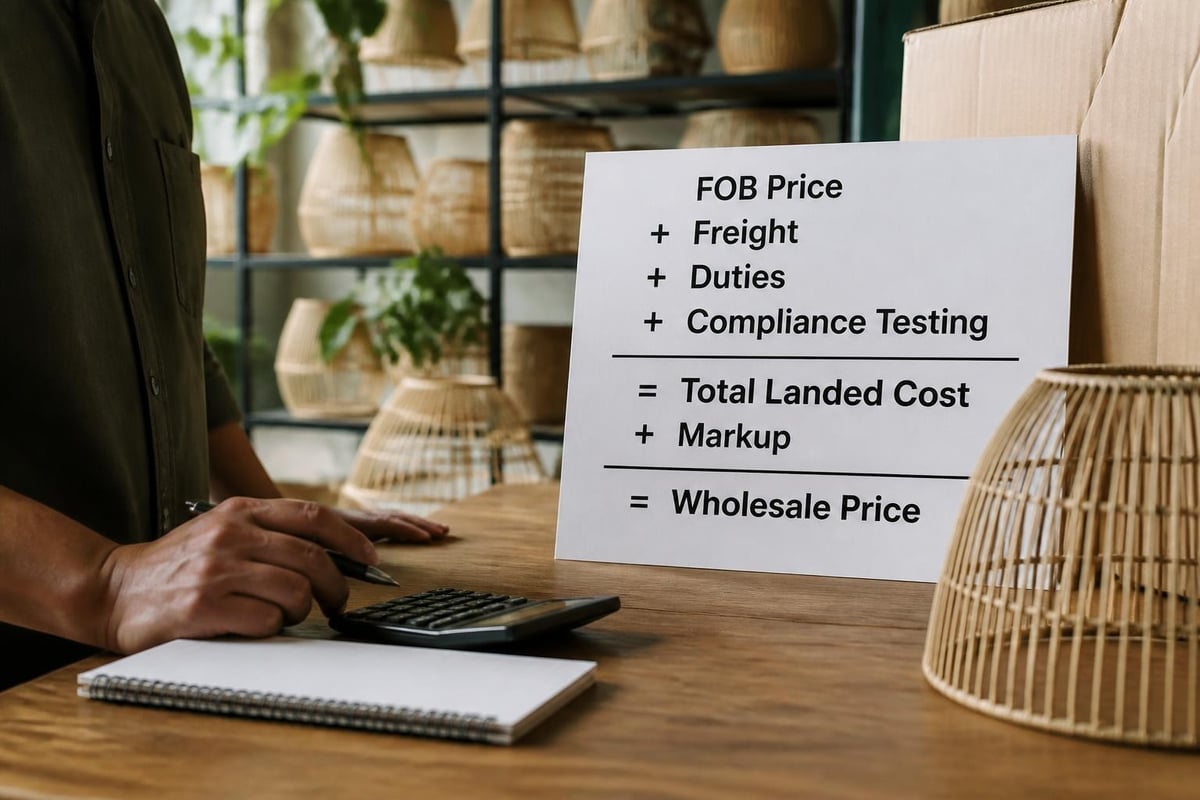
Understanding the complete landed cost of wholesale rattan lampshades requires attention to multiple expense categories beyond the factory price.
Tariffs and Customs Classification
The U.S. tariff schedule classifies woven rattan goods under specific HTS codes that determine duty rates. Lampshades typically fall under heading 9405 (luminaires and lighting fittings), with rates varying based on composition and country of origin.
Consult the U.S. Customs & Border Protection guidance for current rulings affecting rattan products. Misclassification can result in penalties and delayed shipments, making it essential to work with experienced customs brokers or freight forwarders.
Shipping and Container Optimization
Rattan lampshades are bulky relative to their weight, meaning freight costs often exceed product costs on small orders. Container optimization strategies include:
- Nesting smaller shades inside larger ones
- Requesting knocked-down frames for assembly at destination
- Consolidating orders to reach full-container volumes
- Negotiating FOB versus CIF terms based on shipping expertise
A 40-foot container typically holds 800-1,500 lampshades depending on size mix. Calculate per-unit freight costs at different volume tiers to identify your minimum viable order quantity.
Building Long-Term Supplier Relationships
The most successful wholesale rattan lampshade programs rest on partnerships rather than transactional purchasing. Indonesian artisans work on production cycles tied to material availability and workshop capacity.
Communication and Cultural Considerations
Effective collaboration with Java-based suppliers requires understanding regional business practices. Response times may reflect time-zone differences and local holidays. Payment terms often involve deposits before production begins, with balances due before shipping.
Best practices for supplier relationships:
- Establish clear quality specifications with photo references
- Build production lead time into your inventory planning (typically 45-75 days)
- Maintain consistent order volumes to secure priority scheduling
- Visit workshops when possible to assess capabilities firsthand
The Light + Building trade fair provides opportunities to meet Indonesian exporters face-to-face and evaluate current product offerings, though direct factory visits to Java offer the most comprehensive supplier assessment.
Customization and Private Label Opportunities
Many wholesale suppliers offer customization services that allow retailers to differentiate their offerings. Options include:
- Modified dimensions to fit specific lamp bases
- Custom weave patterns or color treatments
- Branded packaging and hangtags
- Exclusive designs protected by purchase agreements
Customization typically requires minimum order quantities of 100-500 units per SKU. For retailers building signature collections, this investment creates barriers to competitive copying while strengthening brand identity.
Quality Control and Pre-Shipment Inspection
Even established suppliers benefit from third-party verification before container loading. Pre-shipment inspections should verify:
- Conformance to approved samples
- Consistent execution across production run
- Proper packaging to prevent transit damage
- Accurate labeling and documentation
Budget approximately $300-500 for professional inspection services in Indonesia. This cost is minimal compared to the expense of receiving defective inventory that cannot be sold. Inspectors should photograph random selections from the production lot and test mounting hardware under load.
Wholesale rattan lampshades represent a compelling opportunity for retailers seeking sustainable, artisan-crafted products that resonate with today's design-conscious consumers. Success requires careful supplier selection, attention to compliance requirements, and realistic planning around import logistics. Rattan-Java combines generations of Javanese weaving expertise with export experience, helping international buyers source authentic, high-quality rattan lampshades and complementary homeware pieces that meet both aesthetic and regulatory standards.
Looking for handwoven rattan furniture?
Explore our collections or reach out for wholesale catalog and pricing details.
Continue Reading